
REVIEW · SHORE EXCURSIONS
Durban Shore Excursion: Valley of 1000 Hills and PheZulu Tour
Phezulu Cultural Village gives this Durban shore trip its real character. You leave the port behind, wind through the Valley of 1000 Hills, and spend time with Zulu culture, music, and village traditions rather than staying in the city.
I like the easy port pickup and the mix of experiences: Zulu customs and dancing on one hand, crocodiles and snakes on the other. Guides such as Patrick and Themba add plenty of personality, with Patrick even singing a Zulu song and reciting a poem for his group.
The main consideration is time. At about three and a half hours, this is a brisk outing, not a slow rural visit. The cultural content can also feel average if your guide is less engaging, so the guide matters a great deal.
Key points at a glance
- Phezulu Cultural Village: Learn about Zulu traditions and see a cultural dance presentation.
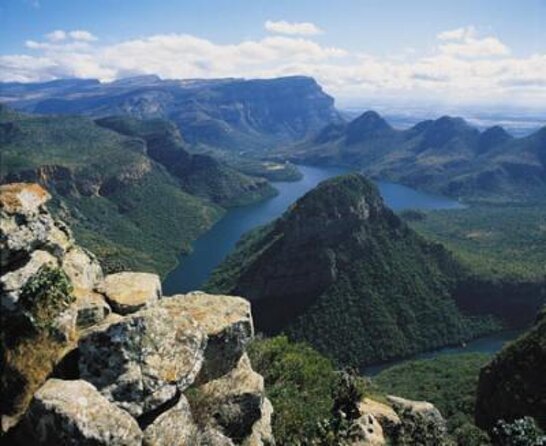
- Valley of 1000 Hills views: Travel through green hills and a dramatic gorge shaped by the Mngeni River and its tributaries.
- Crocodile and snake park: Add a close look at reptiles to the village visit.
- Port-to-port transport: Round-trip transfers from the MSC Nelson Mandela Cruise Terminal are included.
- Guide-led experience: Patrick and Themba have been singled out for warm, informative guiding and personal touches.
- Short shore excursion: The roughly three-and-a-half-hour schedule fits a suitable cruise call, but leaves little room for delays.
Leaving Durban for the Valley of 1000 Hills
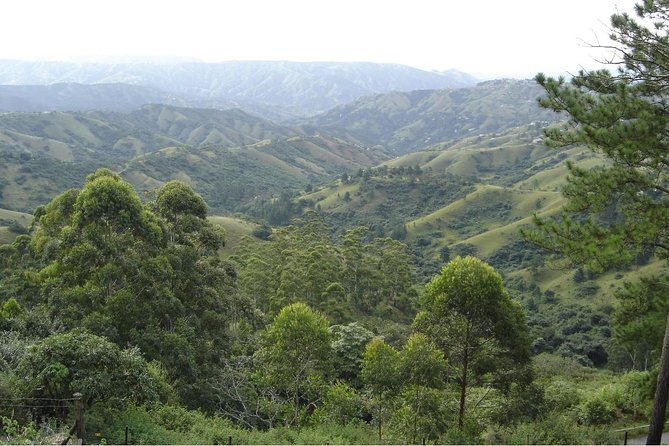
The excursion begins at the MSC Nelson Mandela Cruise Terminal at South Beach in Durban. From there, an air-conditioned vehicle carries you inland toward the Valley of 1000 Hills, a rural region between Durban and Pietermaritzburg.
The change is quick and worthwhile. Durban is known for its coast and busy urban setting, while this route brings you into rolling countryside shaped by the Mngeni River and its smaller waterways. The valley is known for its hills, open views, and a wide gorge beneath the clear South African sky.
You should think of the drive as part of the experience, not just transport. The scenery gives you a better sense of the area around Durban, and your guide can explain what you are seeing along the way. One guide, Themba, is praised for discussing Zulu traditions as well as family life in the 1000 Hills region. Another, Patrick, made a strong impression by singing a Zulu song and reciting a poem.
That personal element is important here. This is not a hop-on, hop-off sightseeing route with an audio recording. You are with a local guide who can shape the trip through stories, answers, and conversation. The quality of that contact may vary, but the best guides make the drive much more than a transfer.
The main valley stop lasts about two hours, while the total outing takes roughly three and a half hours. The figures suggest that you have enough time for the village and reptile park without spending the entire port call in a vehicle.
More shore excursions in South Africa:
- Port Elizabeth: Schotia Game Reserve Safari with Port Pickup
★ 4.5 · 263 reviews - Port Elizabeth: Addo Elephant Park Shore Excursion with BBQ
★ 4.7 · 141 reviews - Port Elizabeth: Addo Elephant Park Shore Excursion & Safari
★ 3.9 · 72 reviews
Phezulu Cultural Village and Zulu traditions
Phezulu Cultural Village is the heart of the excursion. Here, you learn about customs and traditions associated with the Zulu Nation, with the visit built around a village setting rather than a city museum.
The cultural presentation usually includes a Zulu dance, one of the most praised parts of the experience. You can expect music, movement, and a public look at traditions that may be unfamiliar if your South African visit has been limited to Durban’s coast.
A dance performance can sometimes feel staged, and it is fair to keep that in mind. This is a visitor attraction, not a private village gathering. Still, it can be a useful introduction when the presentation is paired with clear explanations about Zulu customs and daily life.
That is where the guide becomes especially valuable. Patrick was noted for adding a song and poem of his own, while Themba was praised for explaining Zulu culture and speaking some German. You may not have either guide, but these examples show the kind of contribution that can turn a standard cultural stop into a more personal one.
You will also have the chance to browse and purchase traditional items. The information provided does not specify exactly which products are available, so treat this as an opportunity to look rather than a promised shopping list. If you want a locally connected souvenir, this stop is more relevant than a generic shop at the port.
The village visit works best if you approach it with curiosity. Listen for the meaning behind customs rather than treating the dance as a quick photo stop. Ask your guide questions about family life, language, ceremonies, and the ways modern life and tradition meet. The guides are there to help connect the presentation to the wider region.
A close look at crocodiles and snakes
The onsite crocodile and snake park adds a very different note to the day. After the cultural visit, you see reptiles at close range and learn about animals that are part of South Africa’s natural world.
For many people, this is the most memorable surprise of the trip. Crocodiles are impressive even when viewed in a controlled park setting, and snakes offer a chance to see species that you would not want to encounter by accident in the countryside. The stop is included in the tour price, so you do not need to arrange a separate wildlife visit.
Keep your expectations in check. This is described as a crocodile and snake park, not a full safari. You should not book this excursion expecting open-country animal sightings or a large reserve. One person specifically noted that a safari might have been possible in the area but was not part of this program.
That distinction matters when choosing the tour. The reptile park is a compact attraction that fits neatly into a shore excursion. It gives you a close look at selected animals without taking up the hours required by a larger wildlife outing.
The park also helps balance the day. The village focuses on people, culture, and tradition. The reptile stop shifts attention to nature. Together, the two visits give you more variety than a tour devoted only to viewpoints or only to cultural performance.
Why the valley views are worth the drive
The Valley of 1000 Hills is not simply a backdrop for the village. It is one of the main reasons to leave Durban’s port in the first place.
The region takes its name from the many hills surrounding the Mngeni River and its tributaries. You see green slopes, open rural spaces, and a broad gorge between Durban and Pietermaritzburg. The exact views depend on the route and conditions, but the scenery provides strong photo opportunities.
Bring your camera, but leave room to watch rather than photographing every turn. The value of this part of the excursion is the change in pace and setting. You get a glimpse of the countryside beyond the city, where roads, homes, hills, and family life create a very different picture of KwaZulu-Natal.
The views also give the cultural visit context. Zulu history and present-day life are not confined to a performance area. The valley is a lived-in region, and a guide who talks about local families and communities can help you connect the scenery with the people who live there.
This is one place where a good guide can make a major difference. A quiet drive through hills may be pleasant, but a guide who explains the region gives the views meaning. The most positive comments about this excursion focus heavily on guides who were friendly, articulate, passionate about Durban, and helpful throughout the day.
Same port call, a different plan:
- Addo Elephant Park Safari & Shore Excursion from Port Elizabeth
★ 5.0 · 57 reviews - Addo Elephant Full Day Safari / Shore Excursions
★ 4.1 · 19 reviews - Kragga Kamma Safaris And Shore Excursions
★ 4.4 · 17 reviews - Cape Town Shore Excursion: Big Five Game Reserve from Cape Town
★ 4.5 · 16 reviews
Guides make or break this short outing
The strongest praise is directed at the guides. Patrick was described as making the trip special through song, poetry, and his presentation of Phezulu. Themba was praised for his knowledge of Zulu traditions and for speaking some German. Another guide was described as informed, personable, and articulate.
That is useful information when you are comparing shore excursions. The basic itinerary is fairly simple: drive to the valley, visit Phezulu, see the reptile park, and return to port. The guide supplies much of the interpretation and energy.
You will be traveling with a qualified local guide in an air-conditioned vehicle. The group is small, although other passengers from the same cruise ship may join you. The description also calls the activity private, meaning only your group participates, so confirm the exact group arrangement when booking if that distinction matters to you.
A private or small-group setting usually gives you more room to ask questions than a large coach tour. It may also make it easier to hear the guide during the cultural visit and keep the outing moving on schedule.
The guide cannot control every part of the experience. If you are hoping for a lengthy discussion of Zulu history, a safari, or a slow visit to several rural communities, this tour may feel limited. It is designed as a compact introduction, and the guide’s role is to make that introduction useful and engaging.
Is $90.83 a fair price?
At $90.83 per person, this is not the cheapest way to spend a morning in Durban. The price includes return port transfers, an air-conditioned vehicle, a qualified guide, admission to Phezulu Cultural Village, and the crocodile and snake park.
For a cruise passenger, that package has practical value. You do not need to find transport at the terminal, negotiate a taxi, or arrange separate admission at the village and reptile park. You also have a guide handling the route and timing.
The value is strongest if you want several elements in one short outing. You receive countryside views, a cultural presentation, village-related shopping, and a reptile visit in roughly three and a half hours. Booking well ahead may be wise, since the experience is booked an average of 32 days before the date.
The value is weaker if you want depth. This is a sampler, not an all-day cultural study. You will not have time for a long rural walk, a full safari, or an extended visit to several communities. If you prefer to explore slowly and independently, the fixed schedule may feel tight.
Group discounts may improve the price for larger parties. Since a minimum of two people is required, solo visitors should confirm availability before making plans.
Timing your cruise-day departure
Port timing deserves careful attention. The morning version is intended for a ship that arrives early, with disembarkation completed by 8:00 a.m. Your ship should not depart before 2:00 p.m.
The afternoon version is intended for a late-morning arrival, with disembarkation completed by 12:30 p.m. The ship should not depart before 6:00 p.m.
These limits are sensible because the trip includes road travel beyond Durban, a village visit, the reptile park, and the return journey. You should provide the ship name, docking time, disembarkation time, and re-boarding time when booking. Departure times can be adjusted to suit port times, subject to availability.
I would not choose this outing for a tight port call. Even with a planned schedule, road traffic or a slow return can reduce your margin. The operator requires a suitable gap between the tour and ship departure, and you should treat that requirement as a safety rule rather than a suggestion.
The excursion returns to the same cruise terminal where it begins. That port-to-port arrangement is one of its most useful features.
Who will enjoy the Phezulu visit most?
This tour suits you if you want a short introduction to KwaZulu-Natal beyond Durban’s shoreline. It is a good match for cruise passengers who value local culture, scenic driving, and a guide who can explain what they are seeing.
Families may appreciate the variety. A cultural presentation can be followed by crocodiles and snakes, which gives younger visitors something concrete and exciting to focus on. The information says most people can participate, though it does not provide detailed accessibility notes.
You will likely enjoy the outing if you like having a planned route and transport included. It removes much of the work from a port day and combines several nearby sights without requiring you to arrange each part yourself.
It may not suit you if you want a slow, private cultural exchange or a serious wildlife excursion. The park is not presented as a safari, and the village visit is a visitor-focused cultural experience. The outing also depends on the guide to add detail beyond the basic stops.
The cancellation rule is strict: the experience is non-refundable and cannot be changed for any reason. Check your ship’s port schedule carefully before paying.
Should you book this Durban shore excursion?
I would book this tour if you have a suitable cruise schedule and want to see more than Durban’s city and coast in half a day. The combination of Zulu culture, valley scenery, and reptiles gives you a varied outing for one set price, and the included port transport removes a major source of stress.
I would be more cautious if you are seeking a full safari or a long, quiet encounter with rural life. This is a polished introduction with limited time. Your best experience will come when you treat Phezulu as a cultural presentation, listen closely to the guide, and enjoy the valley views as part of the journey.
For the right cruise call, $90.83 is a reasonable price for the transport, admissions, and local interpretation. The guide is the deciding factor, and the examples of Patrick and Themba show how much warmth and personality can add to a compact tour.
FAQ
Where does the tour begin?
It begins at the MSC Nelson Mandela Cruise Terminal at South Beach in Durban, South Africa.
Where does the tour end?
The activity ends back at the same meeting point at the Durban port.
How long does the excursion last?
The tour lasts approximately three hours and 30 minutes. The Valley of 1000 Hills portion is listed as about two hours.
What is included in the price?
The price includes return transfers from Durban port, a qualified guide, an air-conditioned vehicle, admission to Phezulu Cultural Village, and a visit to the onsite crocodile and snake park.
Will I visit a Zulu village?
Yes. The excursion includes Phezulu Cultural Village, where you learn about Zulu customs and traditions and can see a cultural dance presentation.
Can the departure time match my cruise schedule?
Departure times can be tailor made to suit port times, subject to availability. Morning and afternoon timing requirements apply, and you must provide your ship and port schedule when booking.
Can I cancel for a refund?
No. The experience is non-refundable and cannot be changed for any reason.
Newly added around South Africa
- Shore Excursion Richards Bay Big 5 Safari Experience★ 5.0 · 13 reviews
- Hluhluwe Big Five Safari Richards Bay Shore Excursion★ 4.5 · 8 reviews
- Richards Bay Shore Excursion: Private Small Group Hluhluwe Safari★ 5.0 · 6 reviews
- Richards Bay Shore Excursion: Pvt Small Group Hluhluwe & DumaZulu★ 5.0 · 3 reviews
- Durban Shore Excursion: Private Small Group Durban City Tour★ 4.5 · 4 reviews
- Durban Shore Excursion: Private Small Group Tala Game Reserve★ 4.5 · 14 reviews
- Durban Shore Excursion: Private Small Group Durban City & Phezulu★ 4.5 · 10 reviews
- Shuttle from Cape Town Cruise Terminal to Cape Town City Hotels★ 4.0 · 5 reviews
Shore Excursions, compared.
FOR CRUISERS: Skip The Lines PRIVATE EPHESUS TOUR &On Time Return
Read our review →
Top Choice For Cruisers: Ephesus, Mary’s House WITH TICKETS+LUNCH
Read our review →
PRIVATE EPHESUS TOUR FOR CRUISERS: On-time Return and Skip-Line
Read our review →
Timanfaya and Green Lagoon for Cruise Passengers
Read our review →
For cruise passengers: Guided ATV Tour of Dutch & French St. Maarten
Read our review →
PRIVATE TOUR FOR CRUISERS: Mary’s House (Meryemana) and Ephesus
Read our review →
Browse the lists this tour appears in