
REVIEW · CIVITAVECCHIA SHORE EXCURSIONS
Civitavecchia: Dining Experience at a Local’s Home
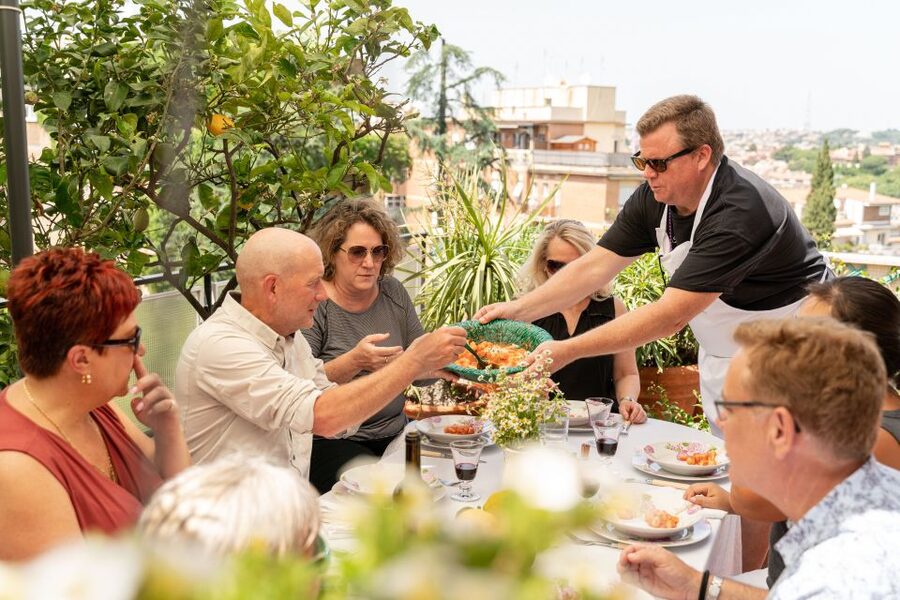
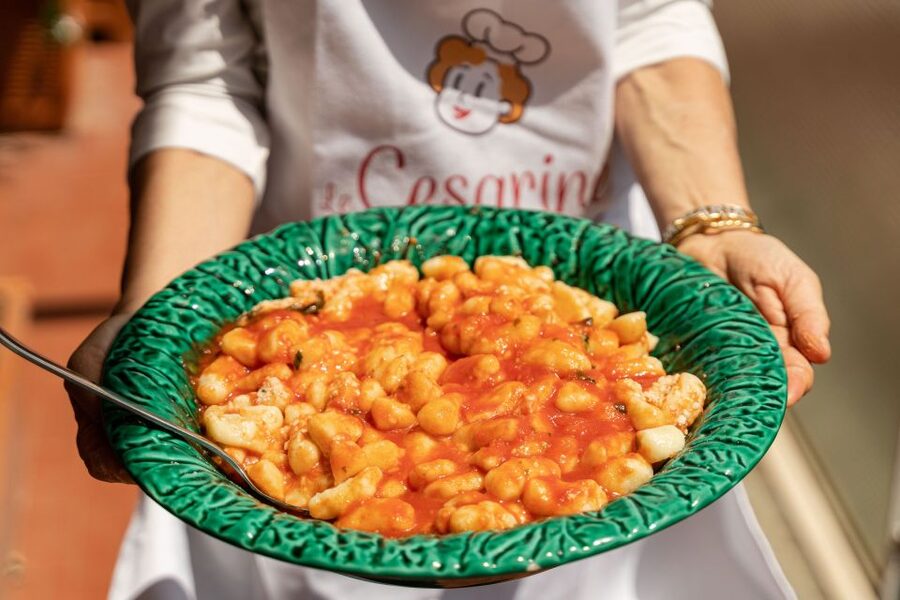
The best part of this Civitavecchia experience happens around a family table, not on a sightseeing route. You watch a local host prepare treasured recipes, help with parts of the meal, then sit down for four courses with wine, coffee, and conversation. Francesca’s fresh pasta and chocolate sausage dessert have made memorable moments for past diners, while Graziella has shared regional dishes, garden herbs, olives, and fruit.
I like the small private setting, which lets you ask questions and work at your own pace. I also like the chance to meet a real family rather than eat in another restaurant near the port. The main consideration is timing and transport: the address is private until after booking, and at least one home was about a 10-minute taxi ride from the port, so leave room in your schedule.
Key points to know before booking
- A private meal in a Civitavecchia home: You dine with a host and family rather than in a commercial restaurant.
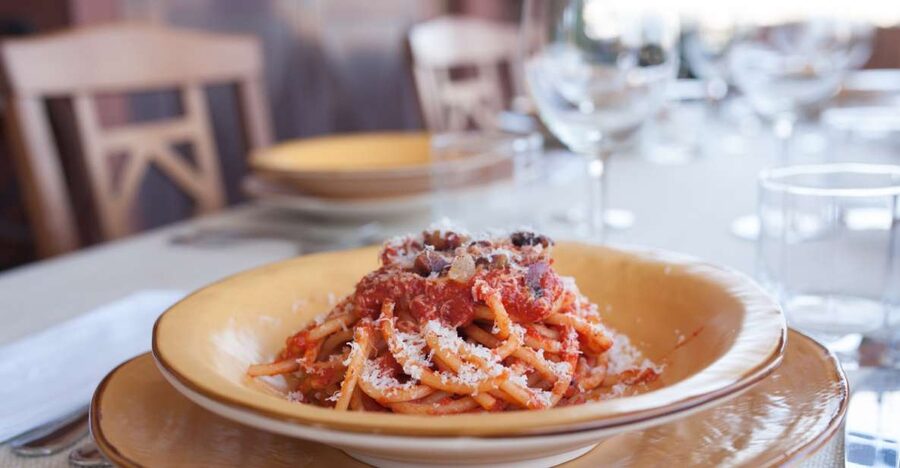
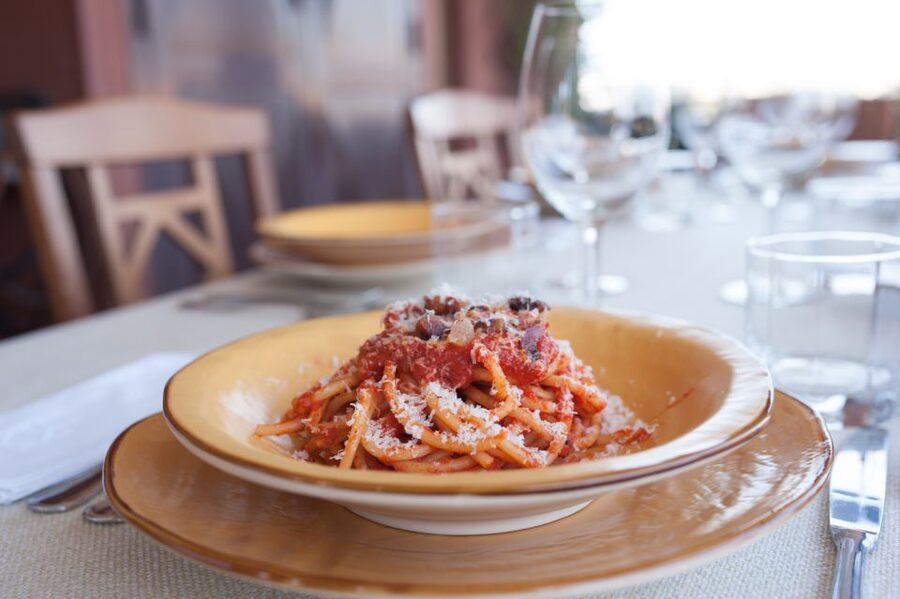
- Four seasonal courses: Expect a starter, pasta, main course with side dish, and dessert, with some menus running to five courses.
- Hands-on cooking: Fresh pasta, pizza, appetizers, and dessert may feature in the demonstration.
- Warm family setting: Hosts such as Francesca and Graziella welcome you into their homes and share the stories behind the food.
- Wine and coffee included: Water, wine, and coffee are part of the meal, not extra purchases.
- Useful for cruise visitors: The usual start times are noon and 7 PM, with some flexibility for your plans.
A family table instead of a portside restaurant
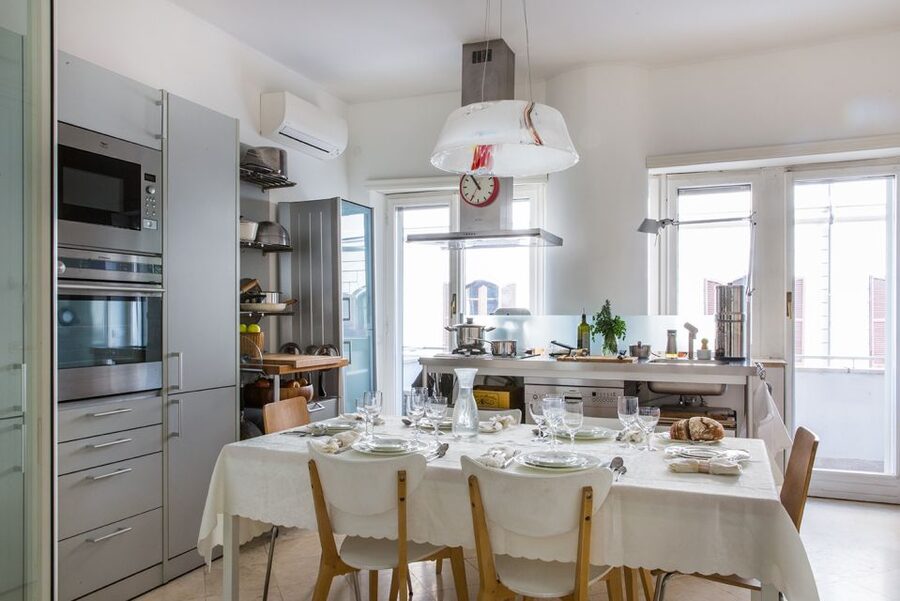
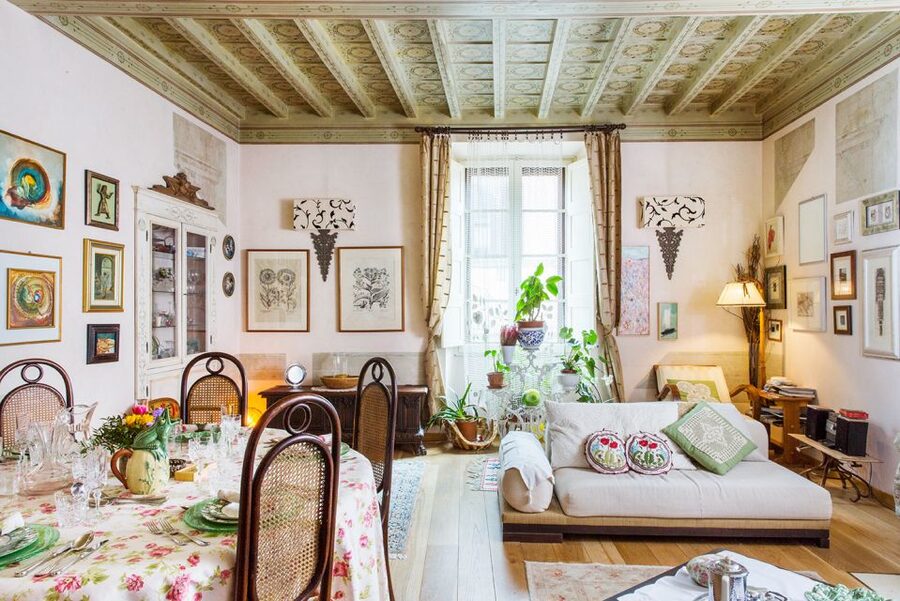
Civitavecchia is best known as Rome’s cruise port, but a meal in a local home gives you a different reason to spend time here. You are not simply ordering a plate of pasta and moving on. You are seeing how a local family prepares food, learning the small habits behind the recipes, and sharing the finished meal in the same home where the cooking takes place.
That setting matters. In a restaurant, the kitchen stays out of sight and the menu is fixed. Here, the host may explain why a dish belongs to the area, show you the ingredients, or adjust the pace so you can take part. The food becomes a doorway into family customs and Lazio cooking.
The activity lasts about three hours and is limited to your private group. That makes it a good choice if you want a calm evening, a personal conversation, or an activity that works well for a couple. It is also a thoughtful option for families or friends who would rather share one table than split up among several cooking stations.
The meal is hosted by Cesarine, a network that connects visitors with home cooks across Italy. Your particular host may be Francesca, Graziella, or another local cook matched to your booking. Since the host varies, the exact menu and home setting will vary too.
More dinners out in Civitavecchia:
Arriving at a private home near Civitavecchia
You will not receive the home address in the public booking details. After booking, the host sends the full address and mobile number by email. This protects the privacy of the cook and gives you the information you need to reach the right home.
Plan your route carefully. One past visit took place around a 10-minute taxi ride from the port, but that does not guarantee every host lives in the same spot. If you are arriving from a cruise ship, airport, or hotel, allow extra time for disembarking, finding a taxi, and reaching the home.
The usual meal times are around 12 PM and 7 PM. The host may be able to adjust the time to fit your plans, but you should request that before the day of the meal. A noon booking can work well before an afternoon departure, while the evening sitting suits an overnight stay or a relaxed first night in Italy.
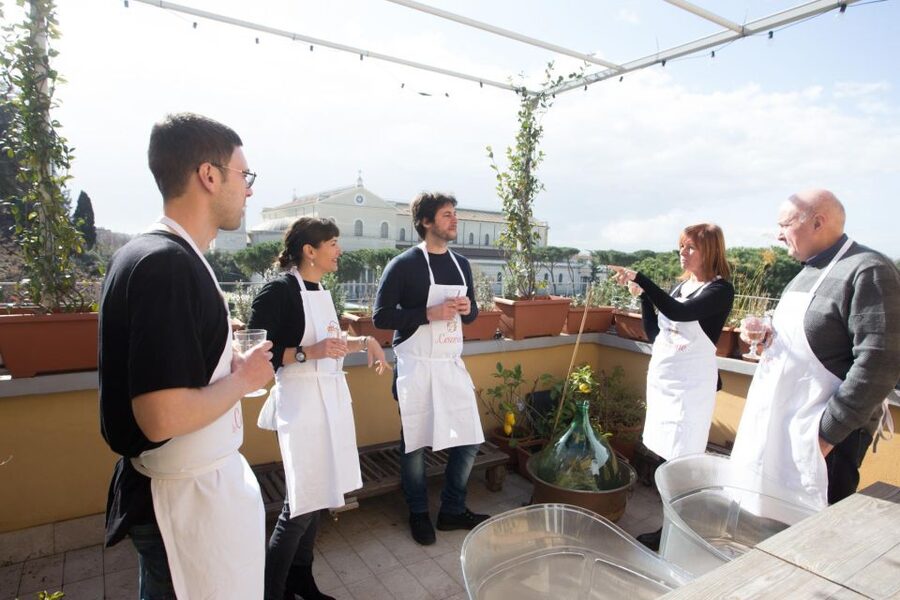
You may arrive to a prepared table, a welcome drink, or a few small appetizers before the cooking begins. One afternoon visit with Francesca started with prosecco and appetizers, followed by a cooking session at a long table. That gives you a useful sense of the rhythm: welcome, preparation, meal, and conversation rather than a rushed demonstration followed by a quick exit.
The cooking demonstration, from fresh pasta to family dessert
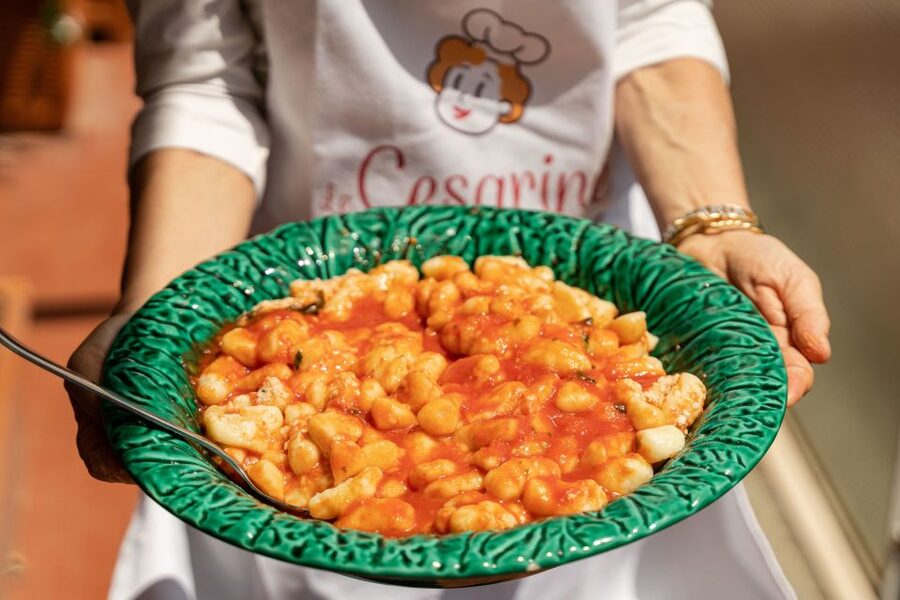
The cooking portion is private and designed to be watched up close. Your host prepares dishes in front of you and explains the methods used in her family. Depending on the host and season, you might make fresh pasta, prepare appetizers, watch pizza being made, or learn a dessert recipe.
A visit with Francesca included hands-on fresh pasta preparation, with each person working on their own portion. This is more engaging than watching a chef perform from a distance. You can see the texture of the dough, follow the steps, and ask questions as you go.
Another session included pizza preparation and a dessert called chocolate sausage. Despite its name, this sweet is a chocolate dessert, not a meat dish. It is the sort of unusual family recipe that can give the meal a personal stamp and make the cooking lesson easier to remember.
The demonstration is not presented as a formal professional cooking course. You should expect a friendly home lesson rather than technical training with printed recipes, kitchen uniforms, or restaurant equipment. That is part of the appeal, but it also means the level of hands-on work can depend on your host and menu.
If you enjoy cooking, ask questions and offer to help. If you mainly want to watch and eat, that works too. The private format gives the host room to adjust the session to your interest.
Four courses built around seasonal Italian cooking
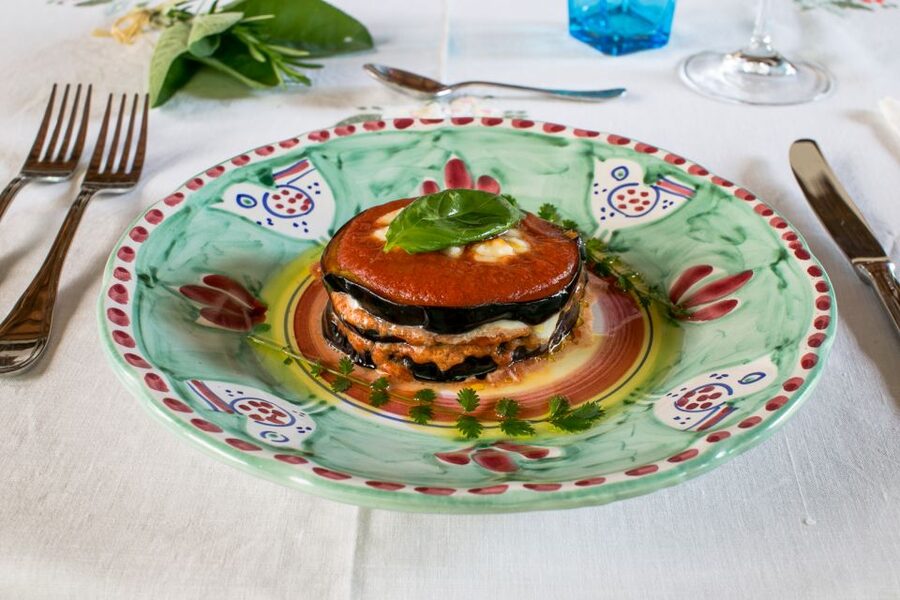
The standard meal includes four parts:
- A starter
- A pasta course
- A main course with a side dish
- Dessert
Water, wine, and coffee are included. The food is served at the host’s table, often family style, so the meal feels more like a Sunday gathering than a sequence of plates delivered by a server.
The seasonal menu is one of the stronger reasons to choose this activity. You are not selecting from a long restaurant menu designed for tourists. The food depends on what the host cooks and what is suitable for the time of year. That can mean simple dishes made with care, garden herbs, fruit, olives, and other ingredients connected to the household.
Graziella, one of the hosts, has used herbs, fruit, and olives from her garden. Details like that make the food feel tied to a place rather than copied from a general Italian menu. You might not receive the same dishes, but the meal should reflect the host’s own kitchen and family traditions.
The food style is likely to be straightforward rather than showy. Pasta, vegetables, meat or other main-course items, and dessert form the backbone of the meal. The value is in the freshness, explanation, and setting. If you want experimental cuisine or a carefully timed tasting menu, book a restaurant instead.
Same port call, a different plan:
- Civitavecchia Port: Private or Shared Guided Tour of Rome
★ 4.4 · 826 reviews - Food Tasty and History Tour in Civitavecchia
★ 5.0 · 256 reviews - Civitavecchia Shore Excursion: Best of Rome Private Tour
★ 5.0 · 247 reviews - From Civitavecchia Port: Rome in a Day Guided Day Tour
★ 4.5 · 214 reviews
The part that matters most: sitting down together
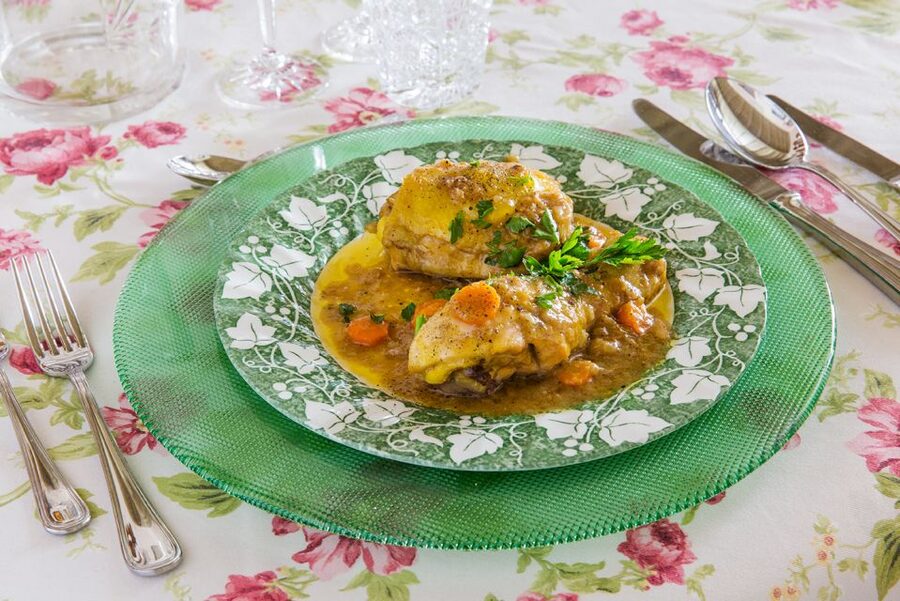
Once the food is ready, you sit at an Italian dining table with your host and, in some cases, members of the family. This is where the activity changes from a cooking lesson into a social visit.
Several hosts have created a very welcoming atmosphere. Francesca’s home has been described as a place where visitors were treated like extended family, with conversation continuing through the meal. One couple ate on a patio after preparing pasta and also saw the host’s garden. Graziella and her husband shared dinner with visitors after the cooking, creating a relaxed evening rather than a quick demonstration.
That personal contact is the main difference between this activity and a standard food tour. You are not walking from one shop to another or sampling small bites at several counters. You spend several hours with one household, which gives you time to ask about daily life, ingredients, and local customs.
The language options are English and Italian. If your Italian is limited, an English-speaking host may make the conversation easier. One visit also included Greta providing translation, which helped the group follow the discussion. Since host assignments vary, confirm your language needs when booking.
What the price means at $100 per person
At $100 per person, this is not the cheapest way to eat in Civitavecchia. You could find a less expensive pasta dish or fixed meal at a local restaurant. The comparison is not quite fair, though, because this price covers more than food.
You are paying for a three-hour private visit, a cooking demonstration, a four-course meal, drinks, and time with a local host. Wine, water, and coffee are included, so you do not need to add the usual beverage costs at the table. The private format also matters if you value conversation and personal attention.
I see the price as fair for a couple or small private group that wants a special meal and an introduction to home cooking. It is less compelling if you only want a quick lunch near the harbor, or if you dislike eating in a stranger’s home.
The strongest value comes when you take part in the cooking and stay engaged with the host. Treat it as a cultural visit with dinner included, not simply as a restaurant reservation.
Who will enjoy this private dining experience
This is a strong match for you if you:
- Want to meet local people in a relaxed setting
- Enjoy pasta, traditional Italian food, and family recipes
- Prefer private activities to large group tours
- Are visiting Civitavecchia before or after a cruise
- Like learning by doing rather than only listening
- Want a gentle three-hour activity after a long flight
- Appreciate wine, conversation, and a generous home-cooked meal
It also suits a first evening in Italy. One group arrived after a long flight and still found the meal manageable because the pace was social and unhurried. You can settle in, eat well, and begin your trip with a local connection instead of another formal attraction.
This may not suit you if you need a guaranteed menu, a fixed restaurant location, or a highly technical cooking class. The host and recipes vary, and the address is shared only after booking. You should also mention any food restrictions in advance.
Dietary needs and practical planning
Vegetarian, vegan, and gluten-free requests can be accommodated when arranged ahead of time. Tell the host about your needs during booking or as soon as possible afterward. Do not wait until you arrive, since the meal is planned around the ingredients and preparation.
The activity is available in English and Italian. It is a private group, which makes it easier to discuss allergies, preferences, and the amount of cooking you want to do.
Free cancellation is available up to 24 hours before the scheduled start for a full refund. You can also reserve and pay later, which helps if your cruise or wider Italy itinerary is not yet settled.
For cruise passengers, keep your timing conservative. A meal that begins at 7 PM may be ideal after a day ashore, but a noon visit requires enough time to leave the ship, reach the home, and return to the port. Ask for the confirmed address before planning your transport.
Should you book it?
Book this Civitavecchia dining experience if you want the human side of Italian food: a family kitchen, a personal cooking lesson, a seasonal meal, and time to talk around the table. The most praised qualities are consistent: hosts such as Francesca and Graziella are warm, the food is carefully prepared, and the setting feels personal rather than commercial.
I would choose it over a standard port restaurant for a couple, family, or small group with three hours to spare. Just remember that the home, host, menu, and exact cooking activities can vary. If you accept that flexibility and arrange transport carefully, $100 buys much more than dinner. It buys a place at an Italian family table.
FAQ
Where does the dining experience take place?
It takes place in your host’s private home in the Civitavecchia area of Lazio, Italy. The full address and the host’s mobile number are sent by email after booking.
How long does the experience last?
The activity lasts three hours.
What time does the meal usually start?
The usual start times are around 12 PM or 7 PM. The time may be flexible based on your needs, so request your preferred time when arranging the booking.
What food is included?
The meal includes a seasonal four-course menu with a starter, pasta, a main course with a side dish, and dessert.
Are drinks included?
Yes. Water, wine, and coffee are included.
Is the cooking demonstration private?
Yes. The cooking demonstration is private, and the activity is offered for a private group.
Which languages are available?
The experience is offered in English and Italian.
Can dietary requirements be accommodated?
Vegetarian, vegan, and gluten-free requirements can be catered to upon request. Tell the host in advance.
Can I cancel the booking?
You can cancel up to 24 hours in advance for a full refund. You can also reserve now and pay later.
Newly added around Civitavecchia
- Umbria and the Etruscan Land Shore Excursion from Civitavecchia Port★ 5.0 · 8 reviews
- Rome in one day: tour from the cruise port Civitavecchia★ 5.0 · 16 reviews
- Wine and Cheese Tastings Southern Tuscany ShoreExcursion from Civitavecchia Port★ 5.0 · 2 reviews
- from Civitavecchia Skip the line Vatican Museum, Sistine Chapel, St Peter★ 4.0 · 10 reviews
- From Civitavecchia: Tuscany-Latium Wine Tour with Tastings★ 4.0 · 4 reviews
- Sightseeing Tour of Rome from Civitavecchia Port★ 5.0 · 6 reviews
- from Civitavecchia: Saturnia natural hot springs experience★ 4.0 · 9 reviews
- Private Etruscan History Tour from Civitavecchia: Tarquinia and Tuscania★ 4.5 · 12 reviews
Civitavecchia Shore Excursions, compared.






Panoramic Tour of Rome by Bus from Civitavecchia
Read our review →
Private Shore Excursions to Rome from Civitavecchia Cruise Port with Driver
Read our review →Browse the lists this tour appears in