
REVIEW · INDIA SHORE EXCURSIONS
Goa Shore excursions : All inclusive Small Group tour
The most striking part of this Goa shore excursion is the sharp change in character from one stop to the next. You move from Portuguese churches in Old Goa to the pagoda-like Shanta Durga Temple, then into a spice plantation and Panjim’s old Latin Quarter. Two cultures share the day, and the contrast is the real prize.
I like the air-conditioned port pickup and return, since Goa’s heat and traffic can make independent sightseeing tiring. I also like the mix of sights: St. Cajetan Church, the Basilica of Bom Jesus, a Hindu temple, working spice gardens, and Fontainhas. Lunch, entry fees, a guide, and water are included, which makes the $54 price easy to understand.
The catch is time. Old Goa is about an hour from the port, and the six-hour schedule covers a lot of ground. Traffic can cut visits short, and past departures have reached Panjim with only a few minutes to spare. This tour suits you best if you want a broad introduction, not a slow examination of every church and street.
Key points to know before you book
- Old Goa is the historic core of the day: St. Cajetan Church and the Basilica of Bom Jesus offer two different examples of Portuguese-era religious architecture.
- The tour crosses religious traditions: Shanta Durga Temple adds a distinctly Goan Hindu setting, with silver-coated doors and a roof built from long stone slabs.
- The spice plantation is more than a photo stop: You’ll see nutmeg, cardamom, cinnamon, pepper, cashew, banana, citrus, pineapple, and betel nut cultivation.
- The drive is part of the bargain: Reaching Old Goa takes roughly 60 minutes, so some of your six hours will pass on the road.
- Lunch is included, but it takes time: A full meal can reduce your time at the churches, temple, or Fontainhas.
- Dress and walking matter: Cover your shoulders and knees at religious sites, and bring flat shoes, sunscreen, sunglasses, and a hat.
What the $54 price really covers
At $54 per person, this is a practical port-day package rather than a luxury outing. Your price includes transportation in an air-conditioned vehicle, a registered English-speaking guide, entrance fees where required, lunch, and one bottle of mineral water.
That matters in Goa. You are not paying only for admission to a church or plantation. You are also paying to be met at the port, driven between widely separated places, and brought back after a long circuit. If you tried to arrange a car, driver, guide, meals, and entrance fees separately, the convenience could easily become worth more than the headline price.
Still, value depends on how the day runs. If traffic allows the planned stops, the tour gives you several different sides of Goa for a reasonable cost. If roads are slow or lunch runs long, the price buys a lot of driving and less time on foot. The package is strongest for you if this is your first visit and you want orientation across the region.
The title calls this a small-group excursion, but no exact group size is supplied. Ask for the expected number of people if that detail matters to you. A smaller vehicle should make the day easier, while a larger group may make already-short visits feel more rushed.
More Small Group Shore Excursions in India:
- Mumbai Shore Excursions: Small Group Mumbai Sightseeing tour
★ 4.8 · 6 reviews - Ephesus: Small Group Tour for Cruise Passengers
★ 4.8 · 1,100 reviews - Mykonos Small Group Tour for Cruise Passengers — Port Pickup
★ 5.0 · 597 reviews
The long ride to Old Goa
The day begins at the pier in an air-conditioned vehicle. Old Goa lies far enough from the port that the journey can take about an hour, and the distance shapes the whole schedule. Bring water, use facilities when you can, and do not expect a leisurely hop between sights.
Old Goa was the center of Portuguese power in Goa. The churches here reflect the money and influence that once passed through the city. Your guide provides the historical thread, helping you see the buildings as more than attractive façades.
The order can change because of traffic and other conditions. The tour may also operate in reverse. That flexibility is sensible on Goa’s roads, but it means you should not assume that the brochure order will match your day.
St. Cajetan Church and its Roman model
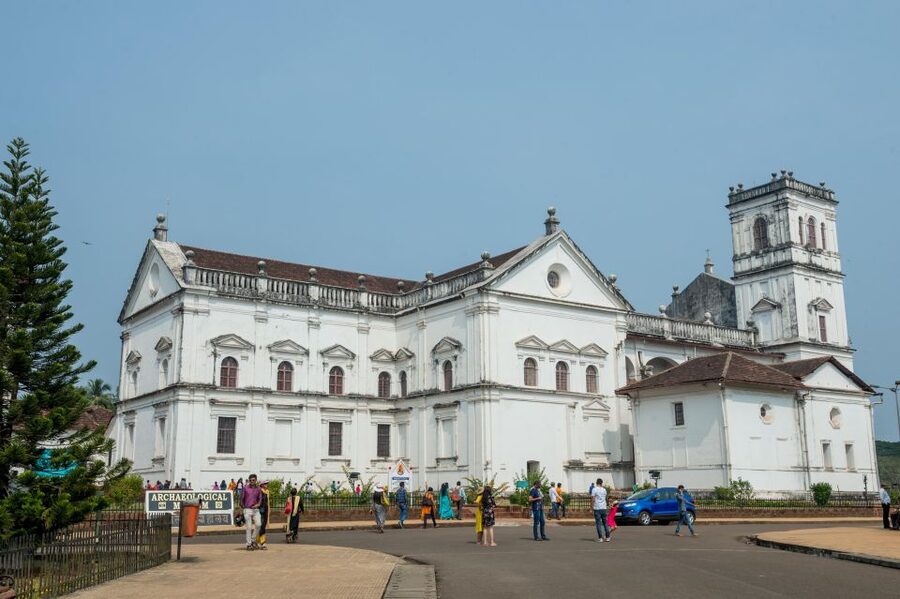
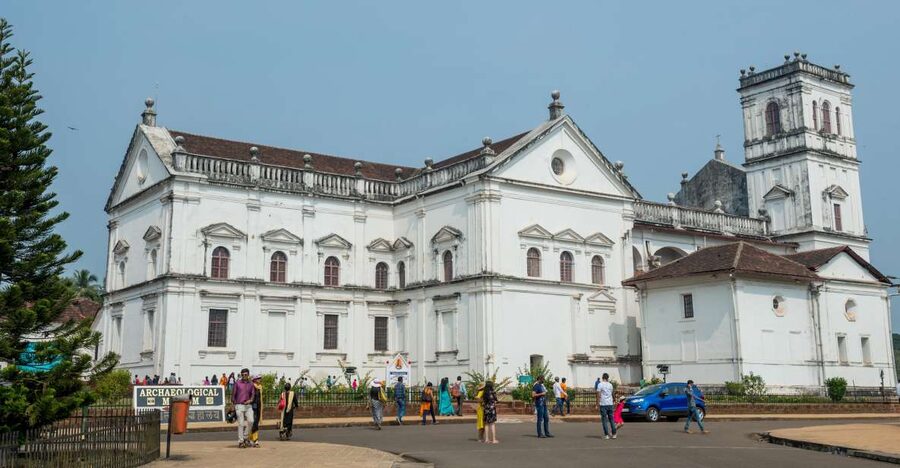
St. Cajetan Church is modeled on St. Peter’s in Rome. It was built from laterite blocks covered with lime plaster, and its front has two towers that serve as belfries. Corinthian columns and pilasters support the pediment, with four niches holding statues of apostles.
Look up before you move inside. The front gives you the clearest sense of the church’s European design, while the local building materials connect it to Goa. The combination is typical of the tour: imported religious ideas shaped by Indian conditions.
A crypt beneath the church once held the embalmed bodies of Portuguese governors in lead coffins before their return to Lisbon. The last group was removed in 1992. That detail gives the building a less polished and more human edge. It was not simply a place of worship, but part of a colonial system with formal rituals surrounding death and power.
Church rules matter here. Still and video cameras are not permitted for use inside the churches or cathedrals visited. Dress conservatively, with shoulders and knees covered, and treat the interior as a quiet religious space rather than a quick photo stop.
The Basilica of Bom Jesus
The Basilica of Bom Jesus was built by the Jesuits in the 16th century. Its main claim to fame is the marble mausoleum containing the embalmed body of St. Francis Xavier, the Jesuit missionary whose remains are displayed publicly only once every ten years. The last stated public exposition took place in December 2014.
You should keep your expectations realistic. The body is not on open display during an ordinary visit simply because the basilica is open. The value of the stop lies in the church, the mausoleum, and the role the site plays in Goa’s Catholic tradition.
The itinerary notes roughly a 60-minute drive to reach Bom Jesus and Se Cathedral. Since traffic can affect the schedule, ask your guide early about the exact church visits planned that day. That small question can prevent disappointment, especially if seeing Old Goa’s churches is your main reason for booking.
Some departures have had trouble fitting in all the advertised stops. If you are given a choice between a long lunch and extra church time, be clear about your preference. The schedule is shared, so the guide may not be able to create a private detour, but it helps to say what matters most to you.
More shore excursions in India:
- Kochi Sightseeing Tuk-Tuk Tour with Pickup From Cruise Ships
★ 5.0 · 194 reviews - Kochi Tuk-Tuk Sightseeing Tour with Cruise Ship Pickup
★ 5.0 · 190 reviews - Kochi Tuk-Tuk Private Tours with Pickup from Cruise Ships
★ 5.0 · 181 reviews - Kochi Tuk-Tuk Tour with Pickup From Cruise Ships
★ 5.0 · 155 reviews
Shanta Durga Temple and Goa’s Hindu tradition
The next major shift comes at Shanta Durga Temple, built between 1713 and 1738. It is dedicated to Shanta Durga, the Goddess of Peace. The temple’s form is unusual, with an almost pagoda-like roof made from long slabs of stone.
Goan Hindu temples look different from the temple styles many people associate with other parts of India. Here, the setting, open space, scale, and architectural details create a distinct local character. The entrance hall has decorated wooden doors coated with silver, and the path to the main entrance hall has silver-covered doors as well.
A guided visit is included, followed by some time to explore on your own. That balance is useful. The guide can explain the basic religious and architectural points, while you get a few quiet minutes to notice the details without listening continuously.
Wear clothing that covers your shoulders and knees. The same advice applies to the churches. Flat footwear is a smart choice because the day includes walking at several sites, and comfortable shoes are more useful than anything stylish.
The spice plantation: scents, farming, and lunch
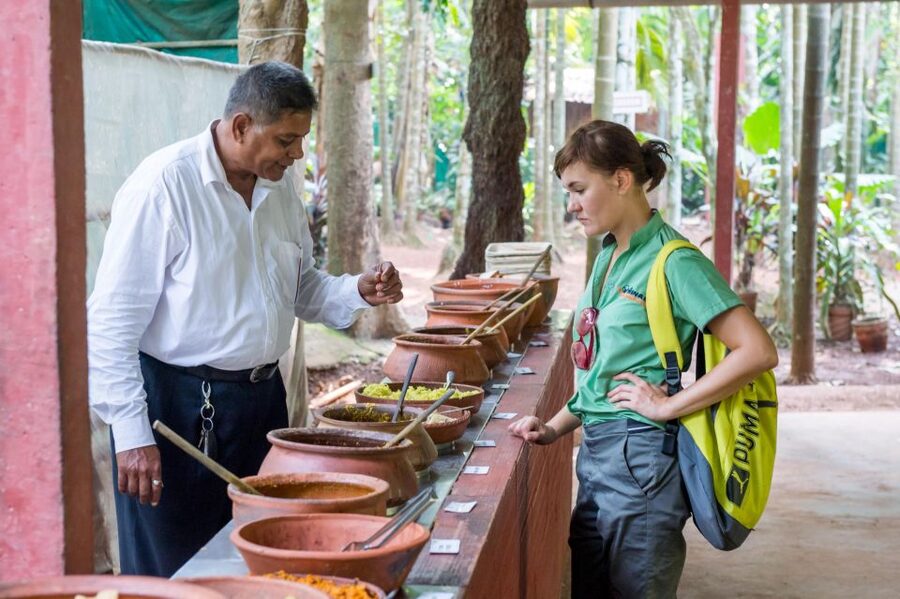
The spice plantation is the most hands-on stop. Spices helped draw European powers toward Asia, and here you can see how many of those plants grow rather than meeting them only in a market or kitchen.
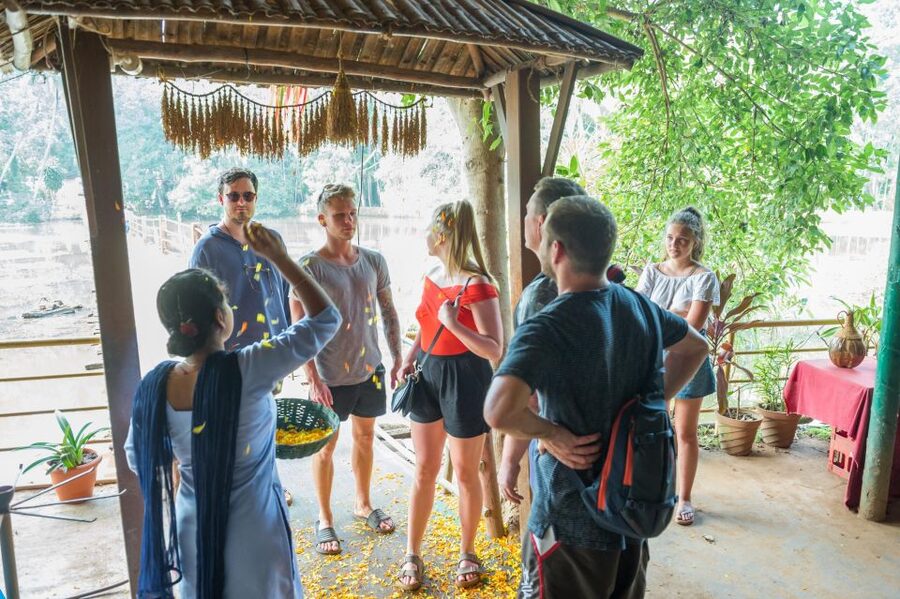
On arrival, you receive a traditional Goan welcome and a herbal drink. Inside the plantation, you can smell fresh nutmeg, cardamom, cinnamon, black and white pepper, coriander, chilies, and betel nut. Fruit trees and vegetables fill out the setting, including cashew, custard apple, banana, citrus fruits, and pineapples.
The betel nut trees are a memorable feature. Pluckers climb trunks more than 100 feet high and move from tree to tree. It is an unusual sight and gives you a better idea of the physical work behind a crop that might otherwise seem ordinary.
Lunch is included here. That is convenient, especially during a long port day, but it also creates the tour’s biggest time tradeoff. A full plantation visit plus a meal can take a large share of the six-hour schedule. Some people will value the slower pause and the chance to eat in a rural setting. Others will prefer a quick snack and more time at Old Goa or Fontainhas.
If churches are your priority, say so before the meal begins. If food, plants, and a break from city streets sound better, the plantation may become your favorite stop. The right choice depends on what you want from a short day in port.
Fontainhas and the last look at Panjim

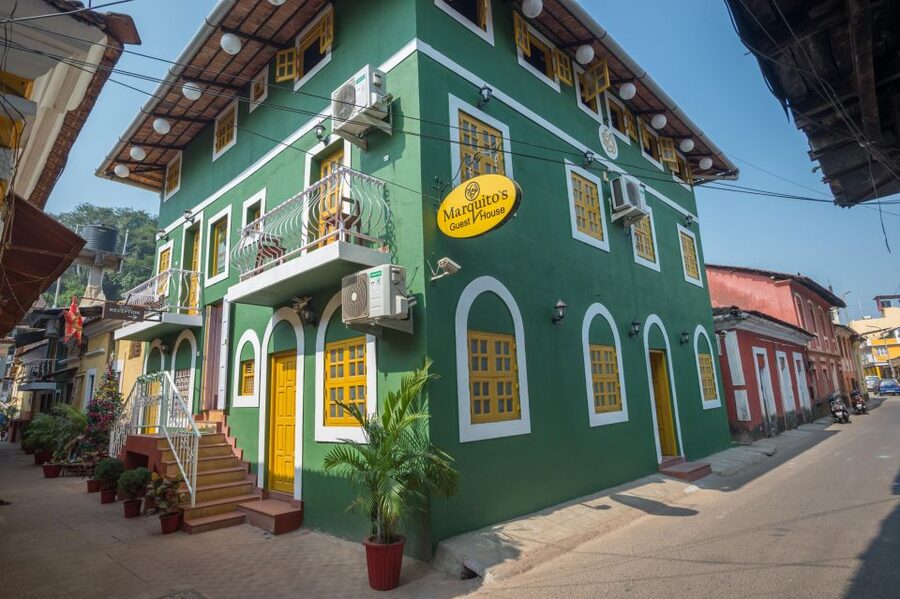
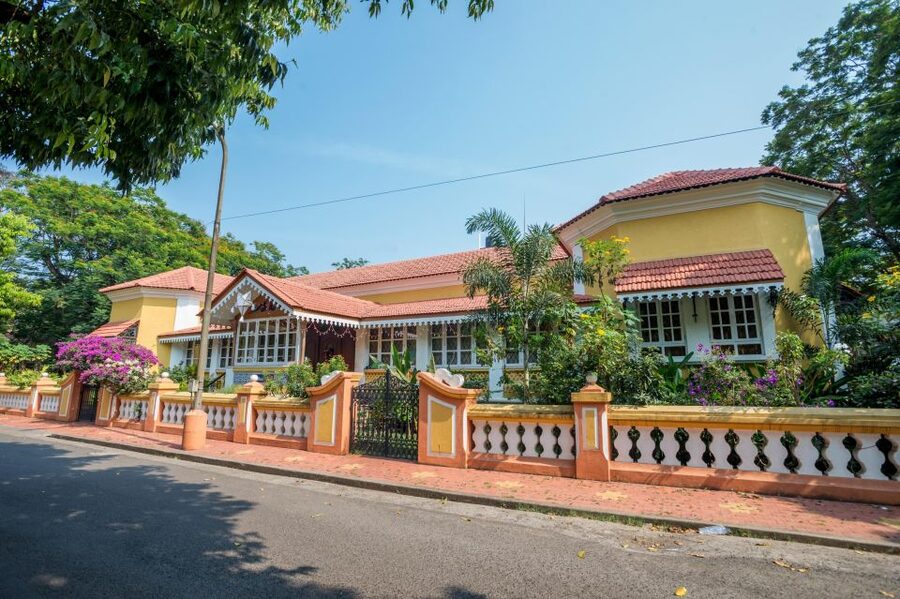
The final planned stop is Fontainhas, Panjim’s Latin Quarter. Built by the Portuguese, the area is known for old villas and streets that reflect Goa’s colonial past. The walking tour includes outside views of the church and older homes.
You then drive through Panjim, Goa’s capital, along streets lined with more Portuguese-style villas. This part of the tour works best as a visual introduction. You get a sense of the city’s old residential character, but the schedule may not allow a long, unhurried walk.
That limitation is important. A short stop in Fontainhas can feel frustrating if you want to study façades, wander side streets, or take photographs. The walking portion may be reduced when earlier visits run late. Keep your camera ready, but respect the restrictions inside religious buildings.
One departure reached Panjim with only about 10 minutes there after spending too long on the road and at the plantation. That is not guaranteed to happen, but it shows why you should treat Fontainhas as the most vulnerable part of the schedule. The return to the pier also needs a safety margin.
Transport, timing, and the practical details
The air-conditioned vehicle is a major benefit in Goa’s heat. It also gives you a place to rest between sites. The downside is that the tour covers substantial distances, and roads can make the day feel compressed.
Bring sunscreen, sunglasses, a hat, and flat comfortable shoes. Carrying an extra bottle of water would be sensible, since the package includes one mineral-water bottle per person, but not unlimited drinks. Conservative clothing is necessary for both temples and churches.
The tour is conducted in English with a live guide. Guide quality can shape the day. The guide is expected to explain the sites and manage timing, but direct communication helps. At the start, tell the guide which stops matter most to you and ask how much time is planned at each one.
Restroom access is another practical point. Facilities may be available at restaurants, hotels, or plantation stops, but the supplied information does not promise a specific schedule. Use a restroom when one is available rather than assuming the next stop will be soon.
The tour is not suitable for wheelchair users or people over 95 years old. That reflects the combination of vehicle transfers, walking, religious-site access, and a fairly active schedule.
Free cancellation is available up to 24 hours before departure for a full refund, and you can reserve now and pay later. Starting times vary, so check availability for your port date rather than assuming a fixed departure hour.
Who should book this Goa shore excursion?
I would choose this tour if you have one day in Goa and want to see several major themes without arranging transport yourself. It is especially useful for first-time visitors who want Portuguese churches, Hindu architecture, local agriculture, and Panjim in one package.
It also works for you if the $54 price fits your budget and you value having lunch, entry fees, a guide, and port transport bundled together. The air-conditioned ride is a real comfort during a hot day.
I would hesitate if your main goal is quiet time inside Old Goa’s churches. The long transfer from the port and the possibility of traffic make the schedule tight. A private taxi might give you more control, though it would not include the same packaged guide, lunch, and admission arrangements.
If you book, keep your priorities clear. Put Old Goa first if the churches matter most. Accept the plantation lunch as a major part of the day, not a minor stop. And treat Fontainhas as a bonus rather than a guaranteed long walk.
Should you book it?
Book this excursion if you want a broad, convenient introduction to Goa and can accept some time on the road. The combination of churches, temple, spice farm, lunch, and Panjim gives you a useful first look at the state for $54.
Skip it if you need a slow pace, guaranteed time at every listed stop, or easy access for a wheelchair. The tour offers good variety, but its success depends heavily on traffic, scheduling, and how firmly the day protects time at the sights you care about most.
FAQ
How long is the Goa shore excursion?
The tour lasts six hours, including transportation between the port and the various stops.
What is included in the $54 price?
The price includes an air-conditioned vehicle with port pickup and return, a registered English-speaking guide, entrance fees where applicable, lunch, and one bottle of mineral water per person.
How far is Old Goa from the port?
The drive to the Old Goa area takes approximately 60 minutes. Traffic can make the overall timing less predictable.
Which religious sites are included?
The planned visits include St. Cajetan Church, the Basilica of Bom Jesus, and Shanta Durga Temple. The order may change, and the schedule can be adjusted because of traffic or other unforeseen conditions.
Can I take photos inside the churches?
Still and video cameras are not permitted for use inside the churches or cathedrals visited.
What should I wear?
Wear conservative clothing covering your shoulders and knees when visiting churches and temples. Flat, comfortable footwear is recommended.
Can I cancel or pay later?
You can cancel up to 24 hours in advance for a full refund. Reserve now and pay later is also available, subject to the booking conditions for your chosen date.
Newly added around India
- Celebrity Millenium Cochin Shore excursion★ 5.0 · 4 reviews
- LITTLE KOCHI TUK-TUK TOURS With Pickup from Cruise Ships★ 5.0 · 45 reviews
- Cochin Shore Excursion: Backwater Houseboat Tour and Chinese Nets★ 4.5 · 4 reviews
- Kochi Offbeat Shore Excursion-4 Hour Old Kochi Heritage Tour with Private Guide★ 5.0 · 6 reviews
- Kochi Tuk-Tuk Tour with Pickup From Cruise Ships★ 5.0 · 18 reviews
- Kochi Tuk-Tuk Tour with Pickup From Cruise Ships★ 5.0 · 51 reviews
- Kochi Sightseeing Tuk-Tuk Tour With Pickup From Cruise Ships★ 4.5 · 19 reviews
- KOCHI Tuk-tuk tours with Pickup from Cruise Ships★ 4.5 · 29 reviews
India Shore Excursions, compared.
Kochi Sightseeing Tuk-Tuk Tour with Pickup From Cruise Ships
Read our review →
Kochi Tuk-Tuk Sightseeing Tour with Cruise Ship Pickup
Read our review →
Kochi Tuk-Tuk Private Tours with Pickup from Cruise Ships
Read our review →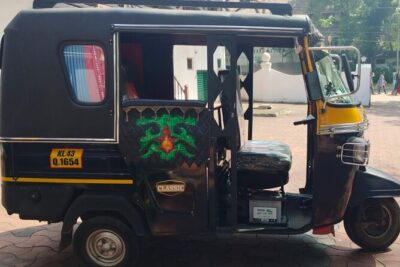
Kochi Tuk-Tuk Tour with Pickup From Cruise Ships
Read our review →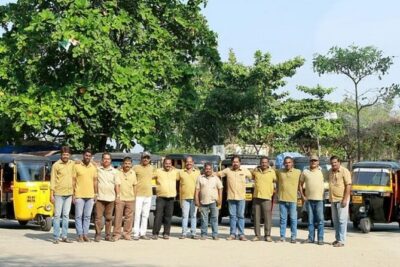
Tuk Tuk Kochi Tours with pickup from Cruise Ship
Read our review →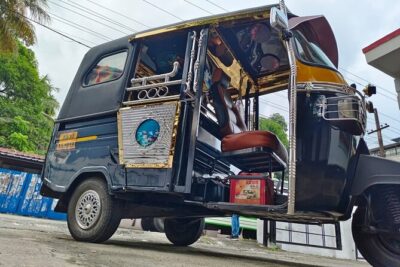
Exclusive Kochi Tuk Tuk Tour Including Pickup from Cruise Ships
Read our review →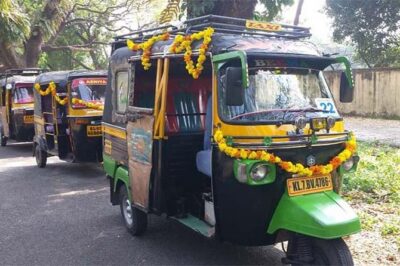
Private Guided Kochi Tuk tuk Tours with Pickup from Cruise Ships
Read our review →Kochi Tuk-Tuk Tour with Pickup From Cruise Ships
Read our review →Browse the lists this tour appears in