
REVIEW · UK SHORE EXCURSIONS
Liverpool Heritage, History, Culture Walking Tour-Shore Excursion
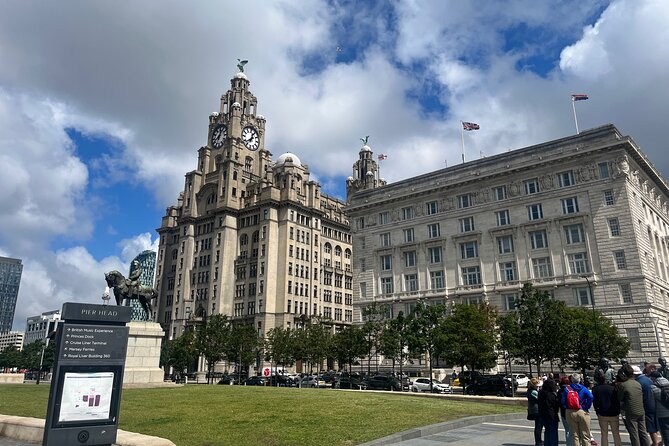
Liverpool’s story is much bigger than the Beatles, and this walking tour makes that clear from the start. In just over two hours, you move from the cruise terminal and Titanic memorial to the Three Graces, Royal Albert Dock, Mathew Street, Castle Street, and the old parish church. It is a brisk introduction to Liverpool’s waterfront, music, trade, and public buildings.
I like the cruise-terminal meeting point, which removes the usual scramble into town after disembarking. I also like the range: maritime history, grand civic architecture, film locations, the Beatles, and Liverpool’s links to slavery and North American history all make an appearance. The main consideration is that this is a general city tour, not a full Beatles experience, and the walk covers roughly four miles on cobbles and busy streets.
Key points to know before booking
- Begin at the cruise terminal: Meet your guide inside Cruise Liverpool, then walk straight into the historic waterfront district.
- See Liverpool’s big icons: The Three Graces, Royal Albert Dock, the Liver bird, Town Hall, and Beatles landmarks all fit into one route.
- Expect a city overview: Beatles stories are included, but the focus is Liverpool’s wider past and culture.
- Plan for steady walking: The route lasts about 2 hours 15 minutes and may cover roughly four miles, with uneven cobbled surfaces.
- Guides make a difference: Carl, Michael, Pam, and Peter have all led tours praised for clear storytelling, patience, and useful local suggestions.
- Good cruise value: At $37.10 per person, the tour gives you a guided orientation without paying for entries to attractions you may not have time to visit.
Starting beside the cruise terminal
The tour begins at Cruise Liverpool, at 2 Princes Parade. That location matters. You do not need a taxi, city bus, or long walk to find the meeting point. After a short introduction, your guide leads the group into the city.
The route is designed for cruise passengers who want a useful first look at Liverpool without gambling on transport delays. It also ends close to the terminal, which gives you a safe route back before sailing.
The group limit is 20 people. That is not an intimate private walk, but it is small enough for a guide to answer questions and keep an eye on the group. One guide was specifically praised for patiently gathering people who wandered away, a useful quality on busy city streets.
The tour is described as easy to moderate, but do not treat it as a short promenade. One person estimated the full walk at about four miles. Wear comfortable shoes with good grip, especially for cobbles and uneven pavement. Bring water, since food and drink are not included.
More history walks in the UK:
- Invergordon Cruise Excursion – Castle ,Whisky and History Tour
★ 5.0 · 37 reviews - Liverpool Heritage,History & Culture Walking Shore Excursion
★ 5.0 · 3 reviews - Invergordon: Hidden History Walking Tour With a Guide
★ 5.0 · 2 reviews
Liverpool’s Titanic connection and the Three Graces
Your first formal stop is the Memorial to the Marine Engine Room Heroes, commonly called the Titanic Memorial. Liverpool was the registered home port of the Titanic, and the memorial helps place the famous ship within the city’s maritime story rather than treating it as an isolated disaster.
The stop is brief, around five minutes, so expect an explanation and a chance to look rather than a long memorial visit. From there, the route reaches the Three Graces, Liverpool’s grand waterfront trio: the Cunard Building, the Port of Liverpool Building, and the Liver Building.
These buildings are more than impressive backdrops. Together they show Liverpool’s former role as a major port and commercial center. Your guide explains the different buildings and their Grade II listed status, while the Liver Building supplies the city’s most familiar symbol, the Liver birds.
This is one of the best parts of the tour for first-time visitors because the buildings are close together and easy to appreciate as a group. You get architecture, shipping history, and city identity in one compact stop.
Waterfront streets and Liverpool on screen
The walk continues along the waterfront and nearby streets. Here, your guide points out buildings and corners used in films and television programs. Liverpool has often doubled for other cities, and the guide encourages you to spot familiar locations.
This portion adds variety after the formal architecture of the Three Graces. It also shows how Liverpool’s older streets continue to function as part of a living city, not just a museum district.
The film references may appeal to you if you enjoy screen locations, but the tour does not appear to be built around one particular movie. Think of this as a short cultural aside woven into a wider city walk.
Meeting the Beatles at the waterfront statue
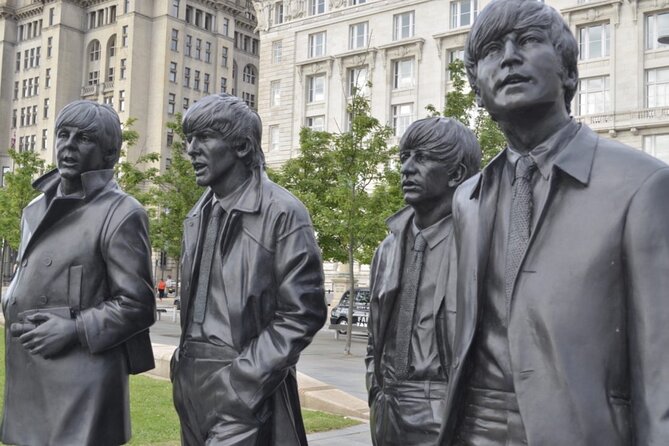
Near the waterfront, you reach the famous Beatles Statue by sculptor Andrew Edwards. It is an easy place for a group photo or a quick selfie with the Fab Four.
The statue is a useful Beatles moment because it connects the band to Liverpool’s public image without taking over the whole morning. Your guide shares some of the city’s musical story, but you are not getting the detailed studio, childhood home, or recording-history treatment offered by a dedicated Beatles tour.
There is one practical qualification. Access to the Andrew Edwards Beatles Statue can occasionally be restricted. If that happens, the guide uses alternative statues. That is worth knowing if a photo at this particular sculpture is your main reason for booking.
More walking tours in the UK:
- Beatles Famous Walking Tour Of Liverpool-Shore Excursion
★ 5.0 · 50 reviews - Beatles Famous Walking Tour Of Liverpool-Shore Excursion
★ 4.8 · 5 reviews - Livorno: Florence Optional Walking Tour and Accademia Entry
★ 4.3 · 671 reviews - Juneau Shore Excursion: Helicopter Tour and Guided Icefield Walk
★ 5.0 · 536 reviews
Royal Albert Dock and Bill Fury
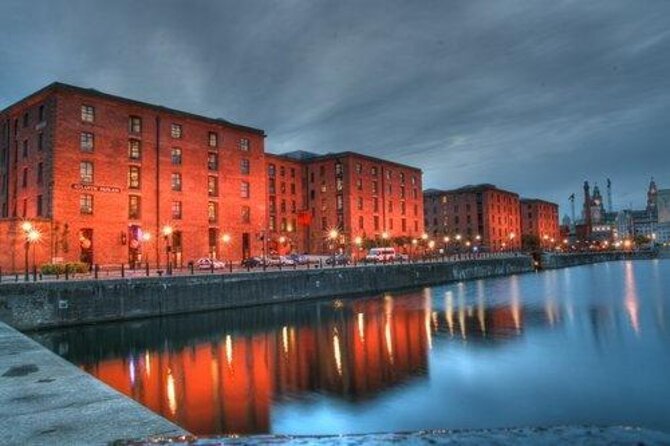
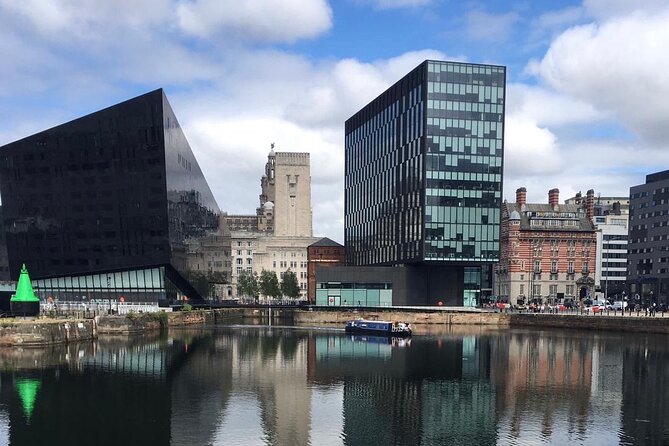
Royal Albert Dock receives about 20 minutes, making it one of the longer stops. Your guide explains how the docks helped shape Liverpool and connects the area to the city’s maritime past and Titanic story.
The dock is a strong part of the route because its buildings show a different side of Liverpool from the Three Graces. Here, old dock architecture sits beside newer development, museums, restaurants, shops, and open spaces. The tour keeps you outside, so you get orientation rather than admission to a museum.
You also pass a bronze statue of Bill Fury, which has become a place where fans leave tributes. That detail brings the city’s music story beyond the Beatles and reminds you that Liverpool’s popular culture has several chapters.
If you want time inside the museums around Royal Albert Dock, you will need to return later. The walking tour gives you the layout and context, but it cannot provide a full visit to every attraction along the route.
Thomas Steers Way and the oversized LIVERPOOL sign
At Thomas Steers Way, your guide explains the site of Liverpool’s first dry dock. The maritime theme continues through a large water fountain, which includes a port-hole feature for a quick look.
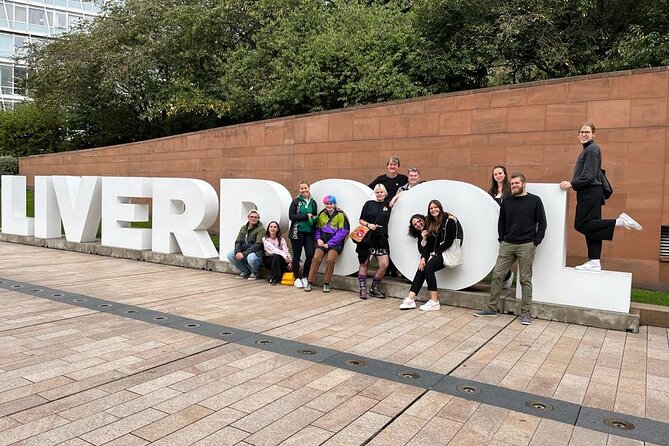
This stop also includes the oversized LIVERPOOL sign. Its colors change for seasons and events, making it a popular photo point. It is a lighter moment in the itinerary, but that is useful during a history-heavy walk. You get a pause for photos while still hearing how dock infrastructure shaped the city.
The area also includes a large shopping district. One person disliked spending time there, feeling it did not belong on a heritage walk. I see the stop as a practical tradeoff: it gives you a modern view of central Liverpool and a chance to orient yourself for later shopping, but it may feel less historic than the surrounding waterfront.
The Sailors’ Home gateway and old Liverpool Castle
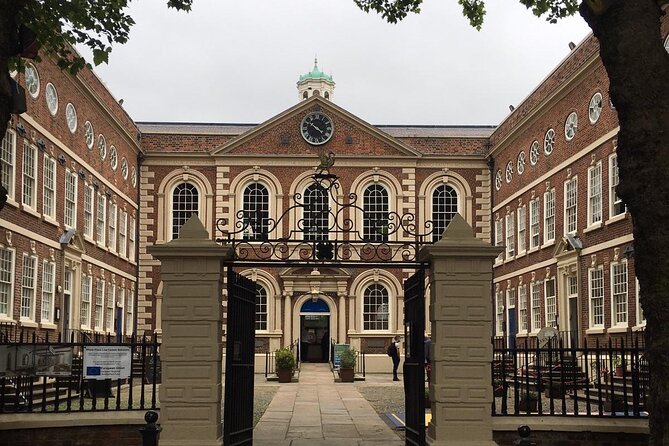
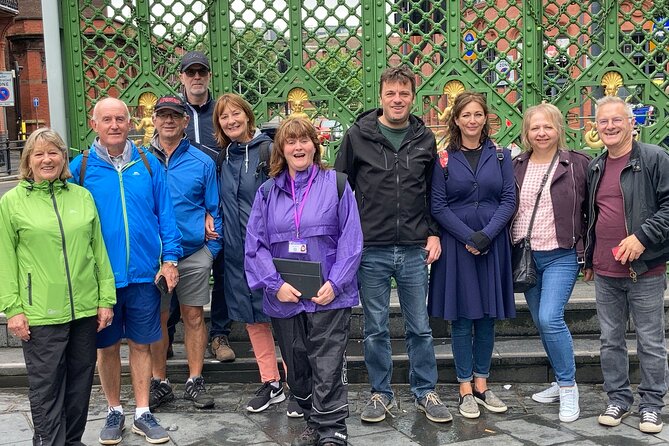
The Liverpool Sailors’ Home Gateway provides another short photo stop. This handsome monument once marked a sailors’ home that served the maritime community. Look for the golden Liver bird, a small but distinctive detail.
Next comes Derby Square, where your guide explains the former site of Liverpool Castle. The castle is gone, and the square is now marked by an imposing Queen Victoria monument. This is a good example of how the tour reads the city through what remains, what disappeared, and what replaced it.
These stops are short, generally five to ten minutes. That keeps the route moving, though it means you need to listen carefully. If you prefer long periods at each landmark, the pace may feel quick.
Mathew Street and the Cavern Club
Mathew Street is the tour’s strongest Beatles and popular-music section. You walk through the Cavern Quarter, see the Cavern Club, and hear how this street became linked with some of Liverpool’s most famous musicians.
You will have time for a photo outside the Cavern Club and to spot other signs of the area’s musical past. The atmosphere here is more energetic than along the formal waterfront, with narrower streets, music venues, and a steady flow of people.
This section lasts about 15 minutes. That is enough for an introduction, not enough for a full musical pilgrimage. If your priority is the Beatles above everything else, choose a dedicated Beatles tour instead. If you want Beatles connections as one part of Liverpool’s wider story, this balance works better.
A small but important detail: the tour description has occasionally been misunderstood as a Beatles-only walk. It is not. The band receives meaningful attention because it shaped Liverpool’s global image, but the route also covers shipping, architecture, religion, politics, and trade.
Castle Street, Town Hall, and Exchange Flags
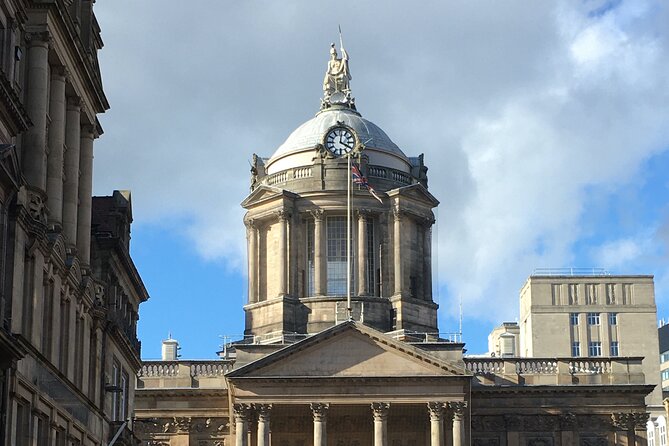
Castle Street brings you back to architecture and older civic Liverpool. The street retains links to medieval Liverpool and is framed by fine buildings. It provides a useful contrast with the dockside structures and the music quarter.
From there, you approach Liverpool Town Hall, a Grade I listed building recognized as one of England’s finest surviving 18th-century town halls. Your guide also explains the earlier town halls that occupied the site, with a history reaching back to the 1500s.
At Exchange Flags, the focus shifts to a listed courtyard facing the Town Hall. The area has connections to the Second World War and includes a large bronze Nelson Monument dating from the early 19th century.
These stops are especially useful if you like cities through their public buildings. You learn how trade, government, war, and civic pride left their mark on the same few streets. The guide’s storytelling matters here because the buildings can otherwise look like a collection of handsome facades.
The parish church and Liverpool’s harder history
The final stop is Our Lady and Saint Nicholas Church and its surrounding gardens. The site has served as a place of worship for more than 750 years, and the churchyard includes old tombstones and sculptures.
This is also where the tour addresses Liverpool’s links to the slave trade and North American history. That subject gives the walk needed balance. Liverpool’s port brought wealth and influence, but its past also includes participation in systems of exploitation. A good city tour should make room for both achievement and wrongdoing.
The guided portion ends here, about two minutes from the cruise terminal. Your guide can walk you back, or you can stay in the city for shopping and make your own way back. That flexibility is helpful if you have enough time before boarding.
Guide quality and what the ratings suggest
The tour has a 4.6 rating, with 90 percent of customers recommending it. More useful than the number itself is the pattern in the feedback: the strongest praise goes to the individual guides.
Carl is described as prompt, professional, friendly, and engaging, with strong answers to questions. Michael is praised for enthusiasm, helpfulness, and offering suggestions after the walk. Pam received credit for finding shade and seating during stops, a thoughtful touch for anyone who needs occasional rest. Peter is described as passionate about Liverpool’s past and culture.
That range suggests the guide can shape the experience. The route is fixed, but the delivery may vary. Most of the positive comments focus on clear narration, patience, and local suggestions. One negative experience described the guide as disorganized and boring, so I would not promise the same energy on every departure.
The overall lesson is simple: the content is good, but a walking tour depends heavily on the person leading it. If you get a guide such as Carl, Michael, Pam, or Peter, expect a more personal and responsive experience.
Price, pace, and practical value
At $37.10 per person, this is a reasonable shore-excursion price if you want a structured introduction to Liverpool. You are paying for a local guide, a route that starts and ends by the port, and roughly 2 hours 15 minutes of interpretation across a large central area.
The value is strongest when you have limited time and want to avoid planning. The guide connects stops that would otherwise feel scattered, from Titanic history to the Three Graces, Albert Dock, Mathew Street, and the Town Hall.
The value is weaker if you want indoor admissions, food, or a slow visit to individual attractions. None of those are included. You are buying context and orientation, not entrance tickets.
Free cancellation is available up to 24 hours before the start time. The tour depends on good weather, and a weather cancellation offers either another date or a full refund.
Children under 16 must be accompanied by an adult. Service animals are allowed, and well-behaved dogs are welcome, though busy areas and group walking may not suit every dog. Public transport is nearby, but the route itself is on foot.
Should you book this Liverpool walk?
Book it if you are arriving by cruise, want a broad introduction, and prefer stories and landmarks to museum interiors. It is especially useful for first-time visitors who want to understand how Liverpool’s port, civic buildings, music, and difficult past fit together.
Do not book it expecting a dedicated Beatles pilgrimage. You will see the statue and Cavern Club, and you will hear Beatles stories, but the tour gives equal weight to maritime Liverpool, architecture, and civic history.
I would also skip it if four miles of walking, cobbles, and a steady pace sound uncomfortable. For everyone else, the cruise-terminal start, low planning burden, and wide range of sights make this a practical way to spend a shore day, with enough free time afterward for shopping or further exploring.
FAQ
Where does the tour start?
It starts at Cruise Liverpool Cruise Terminal, Gate, 2 Princes Parade, Liverpool L3 1DL, UK.
Where does the tour finish?
The guided tour finishes at Our Lady and Saint Nicholas Church. The church is about a two-minute walk from the cruise terminal, and the guide can escort you back.
How long does the walking tour last?
The tour lasts approximately 2 hours and 15 minutes.
Is this a dedicated Beatles tour?
No. Beatles landmarks and stories are included, including the Beatles Statue and Cavern Club, but the tour also covers Liverpool’s maritime, architectural, civic, religious, and cultural past.
How much does the tour cost?
The listed price is $37.10 per person.
Is food or drink included?
No. Food and drink are not included. You are advised to bring a bottle of water or another drink.
How difficult is the walk?
It is described as an easy to moderate street-level walk, but you should expect uneven surfaces such as cobbles and wear comfortable, non-slip shoes.
What happens if bad weather cancels the tour?
If poor weather causes cancellation, you will be offered a different date or a full refund. You can also cancel for a full refund up to 24 hours before the start time.
Newly added around the UK
- Ultimate Ticket To Ride Beatles Half-Day Shore Excursion- Private★ 5.0 · 6 reviews
- Shore Excursion: Lake District Adventure Sightseeing Day Trip from Liverpool★ 4.0 · 5 reviews
- Liverpool to Wales Shore Excursion with Conwy Castle★ 4.0 · 10 reviews
- Shore Excursion Kirkwall Small Group Highlights of Orkney★ 5.0 · 5 reviews
- Full-Day Outlander Experience (inc Invergordon Cruise Port)★ 5.0 · 16 reviews
- loch Ness, Inverness and Outlander Sites From Invergordon Port★ 5.0 · 8 reviews
- Private Luxury North Route Invergordon Shore Excursion★ 5.0 · 7 reviews
- Full-Day shore excursion-★ 5.0 · 2 reviews
UK Shore Excursions, compared.
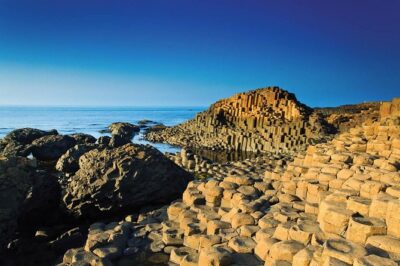
Shore Excursion: Giants Causeway Tour From Belfast Port
Read our review →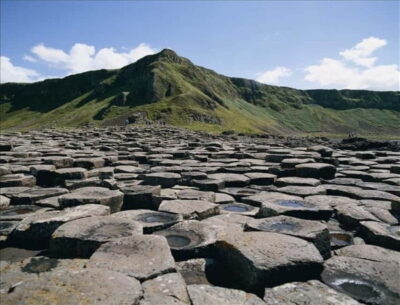
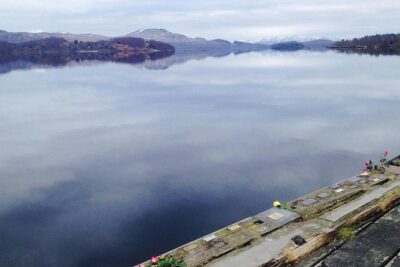
Glasgow (Greenock) Shore Excursion: Stirling, Loch Lomond & The Highlands
Read our review →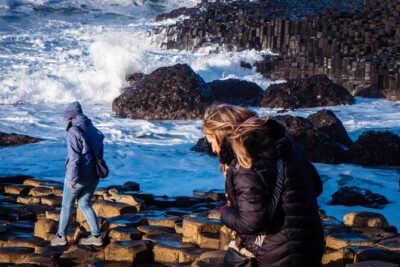
Shore Excursion: Giant’s Causeway Tour Including Belfast City Tour
Read our review →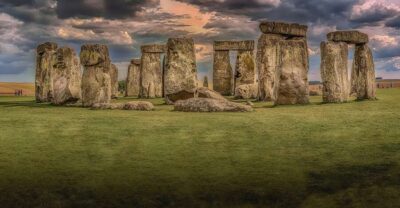
London to Southampton Cruise Terminal via Stonehenge
Read our review →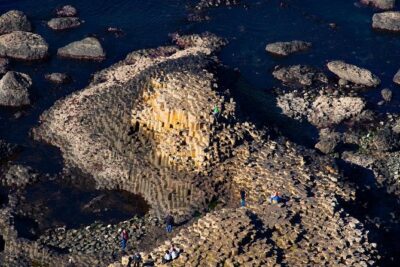
Shore Excursion from Belfast: Including Giants Causeway and Belfast City.
Read our review →
INVERGORDON PORT Tour of Culloden, Cairns & Cawdor Castle
Read our review →
GREENOCK (GLASGOW) SHORE EXCURSION: Scotland Adventure Sightseeing Day Trip Tour
Read our review →Browse the lists this tour appears in