
REVIEW · INDIA SHORE EXCURSIONS
Mumbai: Dharavi Slum Tour with Home Visit Shore Excursion
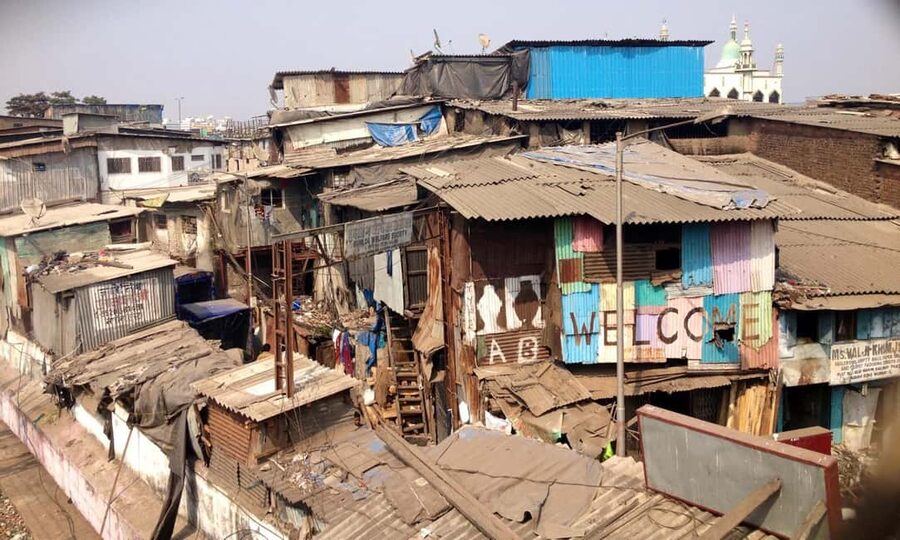
Dharavi is not simply a place of hardship to observe from a passing car. It is a working part of Mumbai, with homes, workshops, factories, shops, and families packed into a small area. This four-hour tour takes you into that daily world, then adds a home visit where you can share masala chai and talk with local residents.
I like the small group of six, which gives you a better chance to ask questions without turning the visit into a parade. I also like the mix of working areas and residential life, especially the chance to see leather processing, plastic recycling, clothing construction, and metal recycling. The main consideration is that this is a walking tour through a crowded, working neighborhood, not a polished sightseeing stop, and it may not suit anyone with back problems, limited mobility, or a strong preference for private space.
Key points to know
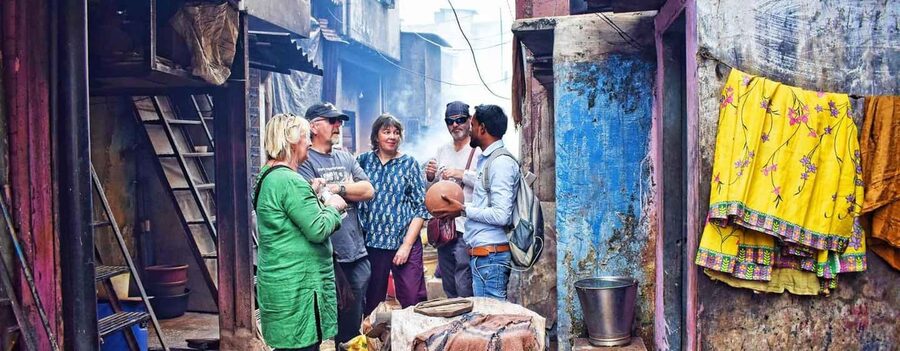
- Dharavi is a working district: See small industries that include leather, plastics, clothing, and metal recycling.
- The home visit adds a personal layer: Share masala chai and learn how one family lives day to day.
- A local English-speaking guide leads the way: One guide described in the tour feedback was a Dharavi resident with an IT education.
- Transport is simple and comfortable: Meet at Green Gate and travel in a chauffeur-driven, air-conditioned vehicle.
- The group is capped at six: That is useful for questions and easier movement through narrow areas.
- Your booking supports local aid work: The provider’s charity arm, Mumbai Moments Love & Care, helps with food kits, school supplies, tuition fees, and other support.
Why Dharavi is more than a stereotype
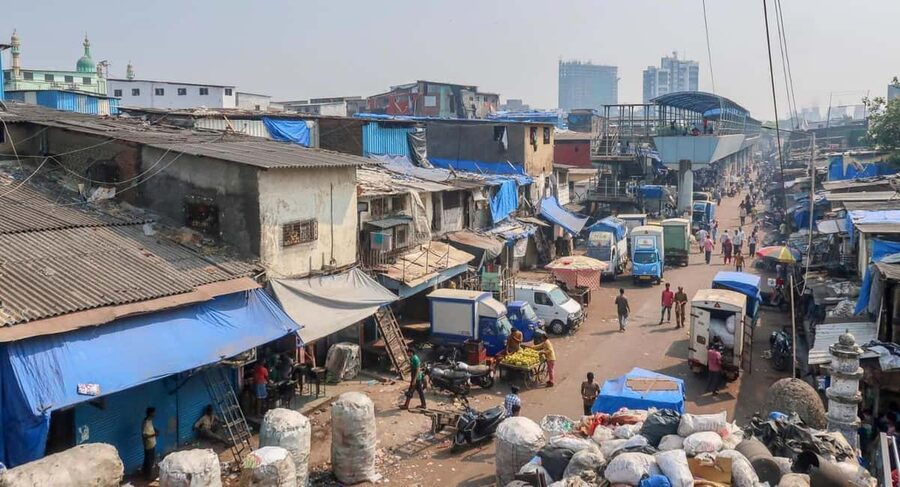
Many people first picture Dharavi as a place defined only by poverty. This tour tries to correct that narrow view by showing how people work, trade, recycle, manufacture, and raise families there.
That distinction matters. The tour explains that residents are not all poor in the same way, and some people choose Dharavi because it is close to work and offers a practical place to live. One particularly useful detail from the experience is that residents may include people employed in banking or government work, as well as factory and workshop workers.
You also get a sense of the energy required to keep this local economy moving. Small businesses operate side by side with homes. Materials are sorted, processed, repaired, reused, and turned into products. You are not just looking at buildings. You are seeing how labor, family life, and business fit together in a very tight urban setting.
I appreciate that the tour focuses on people’s skills and determination rather than presenting Dharavi as a curiosity. Still, you should think about the nature of the visit before booking. Any tour of a low-income area can feel uncomfortable if approached as entertainment. The best way to take part is to listen carefully, avoid treating residents as scenery, and follow the guide’s instructions during the home visit.
More shore excursions in India:
- Kochi Sightseeing Tuk-Tuk Tour with Pickup From Cruise Ships
★ 5.0 · 194 reviews - Kochi Tuk-Tuk Sightseeing Tour with Cruise Ship Pickup
★ 5.0 · 190 reviews - Kochi Tuk-Tuk Private Tours with Pickup from Cruise Ships
★ 5.0 · 181 reviews
Meeting at Mumbai’s Green Gate
The tour begins at the Ballard Pier Mumbai, Alexandra Dock, or Green Gate, depending on the cruise arrangements. The meeting point is important because this is a shore excursion designed around cruise liner arrival days, not a daily city tour with hotel pickup.
You should plan to reach the meeting point with time to spare. The tour does not include hotel pickup or drop-off, and the provider suggests staying in South Mumbai, especially Colaba or Fort, for convenience. If you are sailing in for the day, confirm the exact meeting instructions before leaving the ship.
From the port, you travel in a chauffeur-driven, air-conditioned vehicle. That is a worthwhile feature in Mumbai, where traffic, heat, and noise can make a long transfer tiring. The vehicle also gives you a short break before walking through Dharavi.
The drive itself is not presented as a major sightseeing portion. The value begins once the guide starts explaining the area and helping you understand what you are seeing. Since the group is limited to six people, you can expect a more personal setting than a large coach excursion.
Seeing Dharavi’s small industries at work
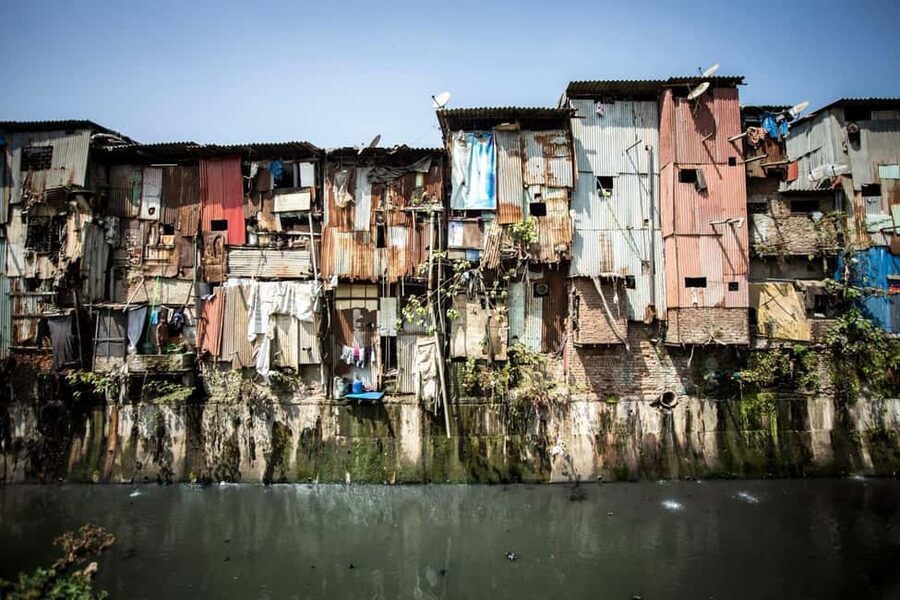
The commercial side of the visit is one of its strongest parts. Dharavi is known for small-scale production, and the tour takes you through areas connected with leather processing, plastics recycling, clothing construction, and metal recycling.
These are not isolated museum exhibits. They are working businesses, so the experience is about seeing practical labor in place. You may find yourself looking at piles of materials, basic workspaces, and people focused on repetitive tasks that require speed and care. The guide helps explain how these businesses fit into the wider economy.
The plastic and metal work is especially useful for understanding how a dense neighborhood can support recycling and reuse. Leather and clothing work show another side, with production relying on manual skill and organized routines. The tour’s point is not that every workplace is large or modern. It is that people have built a functioning economy with limited space and resources.
This section may be the most eye-opening part for you if you expect Dharavi to be mainly residential. It can also be the most demanding. Working areas are not designed for sightseeing, so you need to stay close to the group and accept that conditions may be basic.
Your guide’s role matters here. A local English-speaking guide can explain what a visitor cannot understand from a quick glance. One guide described in the feedback was a Dharavi resident, college educated in IT, and comfortable answering questions about both the area and Indian culture. No guide name is provided, so you should not expect to request a particular person.
A local home and a cup of masala chai
The home visit changes the tone of the tour. After seeing commercial activity, you get a closer look at family life and the way residents use their living space.
You are invited to visit a typical local home and speak with residents about their daily lives. Masala chai is included, which gives the meeting a relaxed, social feel. One account of the experience describes a conversation with residents, including a person who worked as a merchant marine and spoke English.
That detail is useful because it shows why you should not assume you already understand the people you meet. A home in Dharavi does not define a person’s job, education, or ambitions. The conversation may give you a more accurate picture than broad labels such as rich or poor.
The home visit is also where respectful behavior matters most. You are entering someone’s private space, even though the visit is arranged as part of the tour. Listen more than you speak, ask questions politely, and take your cue from the guide and host. The supplied information does not set out a photography policy, so ask before taking pictures inside the home or of local people.
I like this part because it turns an abstract subject into a human exchange. Still, it will not feel like a normal attraction with a set display and a clear beginning and end. The value comes from conversation, and the quality of that conversation can vary depending on the group and the people available that day.
Same port call, a different plan:
- Kochi Tuk-Tuk Tour with Pickup From Cruise Ships
★ 5.0 · 155 reviews - Tuk Tuk Kochi Tours with pickup from Cruise Ship
★ 5.0 · 151 reviews - Exclusive Kochi Tuk Tuk Tour Including Pickup from Cruise Ships
★ 5.0 · 113 reviews - Private Guided Kochi Tuk tuk Tours with Pickup from Cruise Ships
★ 4.5 · 97 reviews
What the guide adds to the visit
A local guide is essential here. Without one, you might see narrow lanes, workshops, and crowded homes without understanding how they connect.
The guide explains the small industries and the people who work in them. You can ask about employment, family life, and the way the area functions. The stated tour language is English, and the group size allows more room for questions than a large coach tour.
The guide also helps set the right tone. Dharavi should not be reduced to a dramatic photo opportunity. A good guide can show both the pressures and the practical strengths of the neighborhood, including its diligence, optimism, and ability to support a wide range of work.
The information available does not provide a guide’s name, so I would book this for the local perspective rather than for a particular individual. One guide was described as a resident with an IT background, which suggests the tour can offer more than a memorized speech. You should still use your own judgment and ask clear questions if you want to understand a subject in more depth.
The charity element and what it means
Part of the booking supports Mumbai Moments Love & Care, the provider’s charity arm. The program helps residents with food kits, notebooks, pens, pencils, school bags, tuition fees, and other forms of assistance.
That gives the tour a practical purpose beyond sightseeing. If you are uneasy about visiting a low-income community as an outsider, knowing that the provider connects the business with aid work may make the decision easier.
You should keep your expectations realistic. The tour price does not mean you personally choose where the money goes, and the available information does not state exactly how much of the $79 fee supports charity. It is best to view this as one positive part of the operator’s work, not as a substitute for asking respectful questions or behaving thoughtfully.
A small parting gift is included, along with bottled mineral water. These are modest extras, but they are useful on a four-hour outing, especially if you are moving between the port, vehicle, walking route, and home visit.
Is $79 a fair price?
At $79 per person, this is not the cheapest way to spend four hours in Mumbai. You are paying for more than transportation. The fee covers a chauffeur-driven, air-conditioned vehicle, an English-speaking local guide, admission fees where needed, the home visit, masala chai, bottled water, and a small gift.
The strongest value comes from the small group format and the local access. A group of six can ask more questions and move with less fuss than a large shore excursion. The vehicle also removes some of the stress of reaching Dharavi from the port.
The price makes the most sense if you want a guided, structured introduction and do not want to arrange transport on your own. It is less appealing if you mainly want to drive past the area or spend your limited port time at Mumbai’s major monuments.
You can also combine this outing with other tours from the same provider. That may suit you if Dharavi is only one part of a full day in Mumbai. Keep an eye on your ship’s departure time, though. A four-hour tour is a substantial part of a port call, and traffic can affect how much free time remains.
Free cancellation up to 24 hours before the tour and the reserve-now, pay-later option add useful flexibility. The outing is available on days when cruise liners arrive, so early booking is sensible if this is a key part of your Mumbai visit.
Who should book this shore excursion?
I would recommend this experience to you if you want to understand how ordinary work and family life fit together in Mumbai. It is a good match for curious visitors who enjoy asking questions, hearing local explanations, and seeing a side of the city that standard monument tours often miss.
It also suits cruise passengers who want an organized port excursion. The meeting point, private vehicle, guide, and return to the same dock make the day easier to manage.
You should think twice if you have back problems, are pregnant, or use a wheelchair, since the tour is not considered suitable for those conditions. Comfortable clothing is advised, and you should bring water, a camera if you want one, and hand sanitizer or tissues.
This is not the right choice if you want a quiet, polished, air-conditioned sightseeing day from start to finish. The vehicle is comfortable, but Dharavi itself is a working neighborhood. You will encounter busy spaces, basic conditions, and an experience that asks you to pay attention rather than simply admire the view.
My call: book it for context, not spectacle
I would book this tour if my goal were to gain a more balanced understanding of Mumbai in a short port visit. The combination of workshops, recycling businesses, a local home, masala chai, and a small group gives the experience a clear human focus.
The most useful feature is the way it challenges easy assumptions. Dharavi is not presented only as a place of need. You see people working in leather, plastics, clothing, and metal, and you hear about residents whose jobs and education do not fit a simple stereotype.
Book it if you can approach the visit with respect and curiosity. Skip it if you are uncomfortable entering a residential area, need full accessibility, or would rather spend your shore time at Mumbai’s major historic sights. At $79, the value rests on the guide and the access, and for a traveler who wants local context, those are solid reasons to go.
FAQ
Where does the Dharavi tour begin?
The meeting point is at Ballard Pier Mumbai, Alexandra Dock, or Green Gate at the International Cruise Terminal. The exact location should be confirmed for your cruise arrival.
How long does the experience last?
The tour lasts four hours, including the visit to Dharavi and the return to the cruise terminal.
Is hotel pickup included?
No. Hotel pickup and drop-off are not included. Staying in South Mumbai, particularly Colaba or Fort, is suggested for convenience.
What kind of transportation is provided?
Pickup is in a chauffeur-driven, air-conditioned vehicle. The tour returns to Ballard Pier Mumbai, Alexandra Dock, or Green Gate.
What is included in the $79 price?
The price includes the local English-speaking guide, vehicle pickup, applicable admission fees, a local home visit, bottled mineral water, masala chai, and a small parting gift.
How large is the tour group?
The activity is offered as a small-group tour limited to six participants.
Is the tour suitable for everyone?
The tour is not suitable for pregnant women, people with back problems, or wheelchair users. Comfortable clothing is recommended, and smoking, alcohol, and drugs are not allowed.
Newly added around India
- Celebrity Millenium Cochin Shore excursion★ 5.0 · 4 reviews
- LITTLE KOCHI TUK-TUK TOURS With Pickup from Cruise Ships★ 5.0 · 45 reviews
- Cochin Shore Excursion: Backwater Houseboat Tour and Chinese Nets★ 4.5 · 4 reviews
- Kochi Offbeat Shore Excursion-4 Hour Old Kochi Heritage Tour with Private Guide★ 5.0 · 6 reviews
- Kochi Sightseeing Tuk-Tuk Tour With Pickup From Cruise Ships★ 4.5 · 19 reviews
- Kochi Tuk-Tuk Tour with Pickup From Cruise Ships★ 5.0 · 18 reviews
- Kochi Tuk-Tuk Tour with Pickup From Cruise Ships★ 5.0 · 51 reviews
- KOCHI Tuk-tuk tours with Pickup from Cruise Ships★ 4.5 · 29 reviews
India Shore Excursions, compared.

Kochi Sightseeing Tuk-Tuk Tour with Pickup From Cruise Ships
Read our review →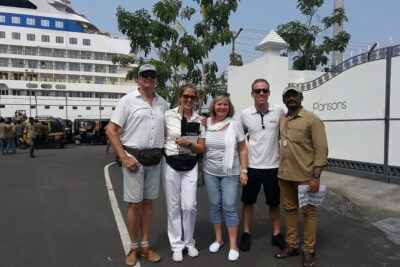
Kochi Tuk-Tuk Sightseeing Tour with Cruise Ship Pickup
Read our review →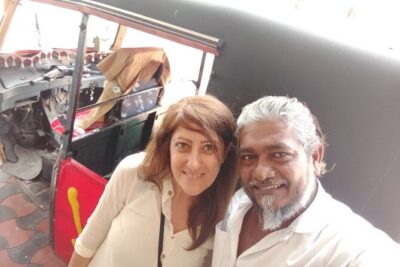
Kochi Tuk-Tuk Private Tours with Pickup from Cruise Ships
Read our review →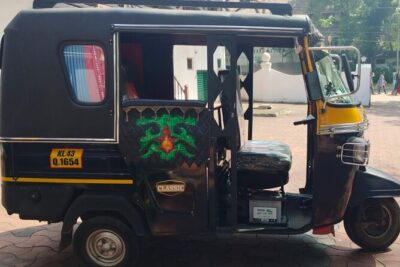
Kochi Tuk-Tuk Tour with Pickup From Cruise Ships
Read our review →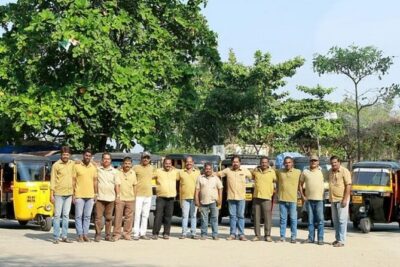
Tuk Tuk Kochi Tours with pickup from Cruise Ship
Read our review →
Exclusive Kochi Tuk Tuk Tour Including Pickup from Cruise Ships
Read our review →
Private Guided Kochi Tuk tuk Tours with Pickup from Cruise Ships
Read our review →Kochi Tuk-Tuk Tour with Pickup From Cruise Ships
Read our review →Browse the lists this tour appears in