
REVIEW · PRIVATE SHORE EXCURSIONS
Private shore excursions in Kyushu, Japan
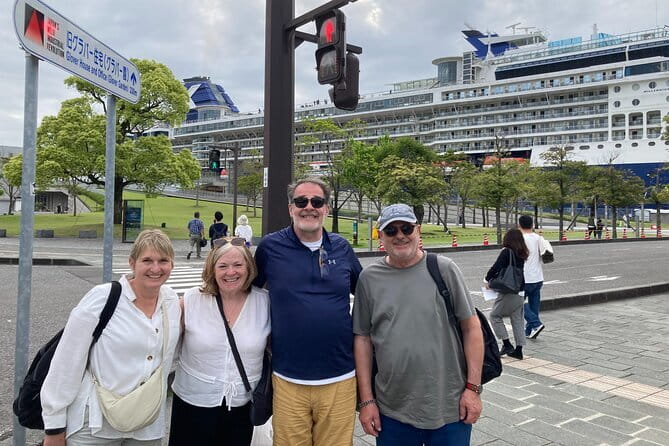
Kyushu is too large for a sensible one-day checklist, and that is exactly why this private shore excursion can work so well. Shannon Lefebvre builds the day around your port, interests, and pace, choosing from places such as Nanzo-in Temple, Dazaifu, Nagasaki, Shimabara, Beppu, Yufuin, or Kagoshima rather than forcing every stop into one frantic run.
I like the freedom to linger, change direction, or cut a stop short. I also like the personal touches, such as shopping for lunch at a Japanese market and eating it picnic-style, or stopping for a foot bath beside the sea. The main drawback is the price, and a second consideration is distance: several of the advertised sights are far apart, so you must agree on a focused route before setting off.
Key points to know before booking
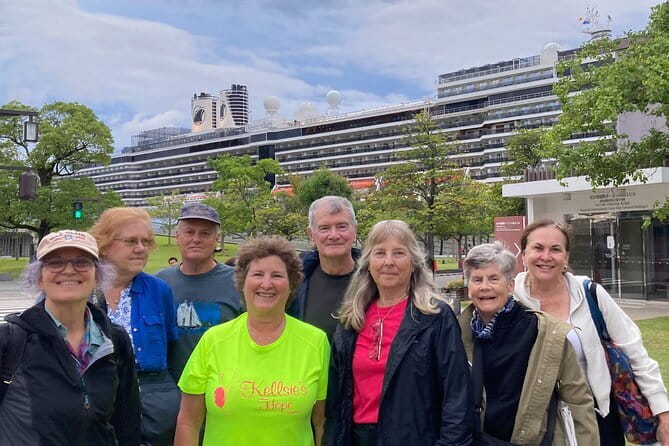
- Shannon Lefebvre leads the day in fluent English, with nearly 20 years of life and travel experience in Japan.
- You choose the emphasis, from religious sites and samurai history to volcanic scenery, breweries, hot springs, and peace museums.
- The private vehicle saves time, with a Toyota Grand Hiace, Commuter Hiace, or Microbus depending on group size.
- Food is part of the experience, with lunch, alcoholic drinks, nonalcoholic drinks, and bottled water included.
- This is a real Kyushu day, not a single attraction visit, so long driving distances matter.
- The booking is weather-sensitive and non-refundable, except when poor weather cancels or changes the port call.
A flexible Kyushu day, not a 23-stop race
The long list of sights can look confusing at first. It is best understood as a menu of possible stops for several different shore-excursion routes, not a promise that you will visit all 23 places in 10 to 12 hours.
That distinction matters. Fukuoka to Nagasaki, Beppu, Yufuin, or Kagoshima is a serious outing. If you try to combine every temple, museum, hot spring, brewery, and lookout, your day will become a series of ten-minute photo stops. I would instead choose one broad theme and two or three main areas.
Shannon’s method is designed for that sort of adjustment. You can spend longer at a place that catches your interest, move on when you have had enough, or alter the plan during the day. The schedule is private, so you are not waiting for a large coach full of people with different priorities.
The listed stop times are about ten minutes each, but they should not be read as strict visits. They appear to be planning markers, and the description makes clear that the pace can change. Ask for a realistic route before booking, especially if your ship is calling at Fukuoka and you hope to reach Nagasaki or Kagoshima.
More Private Shore Excursions in Japan:
- Kyoto private tour (Shore excursion available from Osaka or Kobe port)
★ 5.0 · 39 reviews - Shore excursion: Full Day Private Kyoto Tour From Osaka/Kobe Port
★ 4.5 · 36 reviews - 4/5/6 Hours Private Osaka Tour Designed for Cruise Passengers
★ 5.0 · 26 reviews
What the private vehicle adds
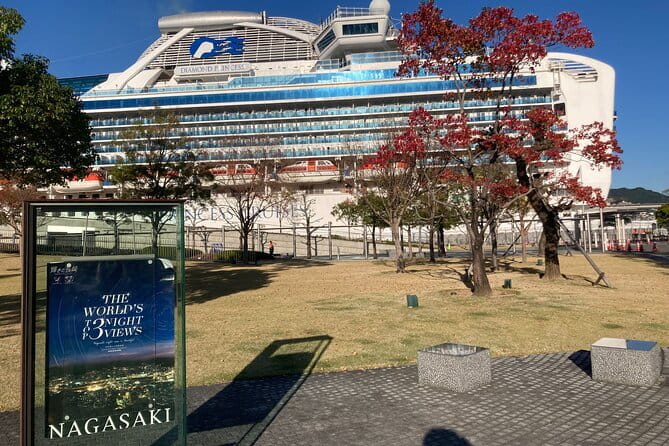
The transportation is one of the strongest practical reasons to consider this tour. Depending on your party, you may ride in a Toyota Grand Hiace for up to eight people, a Toyota Commuter Hiace for up to ten, or a Toyota Microbus for up to 15.
These vehicles offer easy entry and exit, air conditioning, bottled water, and Wi-Fi on board. That matters on a full day with multiple stops. You can leave bags in the vehicle, return to a cool seat between visits, and avoid the transfers that make independent sightseeing across Kyushu slow.
The advertised price is $1,759.12 per group of up to eight. Split eight ways, that is about $220 per person before considering the included lunch, drinks, private transport, and guide. For two or four people, the per-person cost is much higher. I would see this as a convenience and access purchase, not a bargain tour.
A private vehicle also makes the day easier for people who prefer a gentler pace. One party specifically valued the guide’s attention to the needs of older adults. Still, the total duration is long, and the road time can be substantial. Anyone who dislikes sitting in a vehicle for extended stretches should choose a compact Fukuoka route.
Temples and shrines around Fukuoka
Nanzo-in Temple
Nanzo-in lies in the countryside outside Fukuoka. Its setting gives you a break from the city, and its enormous reclining Buddha is the main reason this temple is included in the route.
The temple offers a different mood from the better-known urban shrines. You get a quiet rural setting and a striking religious monument rather than a standard city sight. Allow more than a token stop if you want time to absorb the grounds.
More shore excursions in Japan:
- Kobe: Private Walking Shore Excursion- Kyoto/Osaka/Nara/Kobe
★ 4.8 · 23 reviews - Shore Excursion Full Day Private Kochi Tour from Kochi port
★ 5.0 · 21 reviews - Private Shore Excursion Kobe Port – Best of Kobe with a local
★ 5.0 · 19 reviews - Shore Excursion from Hiroshima Port : Private Tour in Hiroshima
★ 5.0 · 17 reviews
Dazaifu Tenmangu Shrine
Dazaifu Tenmangu is one of Fukuoka Prefecture’s best-known shrines. It is dedicated to the God of Learning, so it has particular meaning for people interested in Japanese religious tradition, education, and local custom.
This is an easy choice for a first visit to Fukuoka, but its popularity also means it can feel more established and commercial than a remote temple. Pairing it with Nanzo-in gives you two different religious settings in one day.
Yusentei Park
Yusentei Park is a strong choice if you want gardens, tea culture, and a slower Japanese atmosphere without leaving Fukuoka City. The setting is described as especially good for classic cultural details, and it can balance a day otherwise filled with museums and road travel.
I would choose this park for a group that enjoys quiet places and gardens. It is less useful if your priority is checking off major historic monuments.
Hakata Port Tower
Hakata Port Tower is a natural final or opening stop for a Fukuoka-based outing. Its observation point gives you a broad view of the port district, and its location is convenient for a shore excursion that begins or ends near the ship.
The tower itself is not a full-day attraction. Think of it as a useful orientation point and a way to connect the city with your port call.
Itoshima food and drink stops
Ichiran no Mori in Itoshima
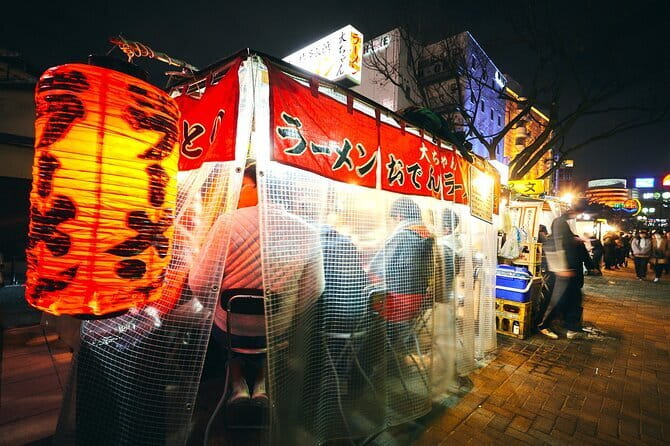
Ichiran no Mori offers a look at how the restaurant’s noodles are made, including a viewing window over part of the manufacturing process. This gives you more than a bowl of ramen in a restaurant. You get a glimpse of the production behind a familiar Japanese food brand.
It is a good stop for first-time visitors who want a simple, accessible introduction to food culture. It is also a commercial attraction, so do not expect a traditional market or a small family workshop.
Suginoya Brewery
Suginoya Brewery focuses on the traditional sake-making process, with old-style architecture adding to the setting. This is the sort of stop that works best when you are curious about how a familiar drink connects to place, craft, and local custom.
Alcoholic beverages are included in the tour, but you should still pace yourself. A long drive, warm weather, and sake tastings are not a great mix. If drinking is not your interest, ask Shannon to give this stop less time.
Shimabara and the scars of Mount Unzen
Megane Bridge in Isahaya
Megane Bridge, or Spectacle Bridge, is a double-arch stone bridge crossing a pond in Isahaya Park. It is larger than Nagasaki’s more famous bridge of the same nickname and offers a short, photogenic stop.
This is a pleasant addition to a Shimabara route, but it is not worth crossing half of Kyushu for by itself. Its value comes from combining it with the castle, samurai street, and volcanic sites.
Shimabara Castle
Shimabara Castle sits between Ariake Bay and Mount Unzen. Its moat is a major part of the site, measuring about 15 meters deep and between 30 and 50 meters wide.
The castle gives the day a clear historical anchor. You can connect the fortified setting with the surrounding peninsula and the area’s later volcanic disasters. Admission is included, which keeps the private-tour price from rising through a long list of small entrance fees.
Samurai Houses
The old samurai section of Shimabara is marked by stone walls and a spring-water canal running along the street. Three preserved samurai houses help you picture the layout of this former neighborhood.
This is a good place to slow down. It is less about a single grand building and more about how a district was arranged. The water channel and walls provide details that are easy to miss on a rushed coach tour.
Buried Houses of the Mount Unzen Eruption Preservation Park
The preserved damaged houses show the physical result of Mount Unzen’s eruptions from 1990 to 1995. The site is direct and sobering. You are not simply looking at a volcano from a scenic lookout. You are seeing what the disaster did to homes.
I would choose this stop if you want modern Japanese history and disaster education. It may be difficult for some children or for anyone looking for a light sightseeing day.
Unzen, Beppu, and hot-spring country
Unzen Jigoku
Unzen Jigoku, or Unzen Hell, is part of a national park in Unzen Town. Steam, hot ground, alpine plants, and wild birds shape the visit. The name sounds dramatic, but the site is also a place to see how volcanic activity affects daily life and the surrounding environment.
Keep your route focused here. Unzen combines well with the damaged houses and Shimabara Castle, but adding distant Fukuoka or Kagoshima sights would make the day too scattered.
Hot Foot 105
Hot Foot 105 is one of the most memorable ideas in the entire program. It sits beside the water and lets you enjoy a foot bath while eating steamed vegetables, snacks, and possibly having a drink.
This is the kind of stop that gives a private outing its character. A simple meal becomes a local-style pause rather than another restaurant table. It also suits a slower group, though wet feet and a packed schedule do not mix well, so allow time to enjoy it properly.
Chinoike Jigoku
In Beppu, Chinoike Jigoku is a red hot-spring pond said to have existed for more than 1,300 years. Its color comes from the minerals in the spring, and the result is one of Beppu’s more unusual sights.
Admission is included. The stop is short enough to add to a Beppu route, but Beppu has many hot-spring attractions, so ask which ones fit your available hours rather than expecting a complete survey of the town.
Jumonjibaru Observation Deck and Yufuin
Jumonjibaru Observation Deck provides a broad lookout and works well as a scenic pause between hot-spring towns. Yufuin adds a different feel, with its long connection to Oita’s hot-spring culture.
These stops suit you if scenery and small-town atmosphere matter more than a long museum visit. They are less suitable if your ship’s schedule leaves little room for road travel.
Nagasaki’s hard history
Nagasaki Atomic Bomb Museum
The Atomic Bomb Museum is located in the park above the bombing’s epicenter. Its displays explain the destruction caused by the attack and make a clear case for peace.
This is not a casual stop to squeeze between lunch and shopping. Give it enough time to think, and expect the material to be upsetting. The admission is included, and the museum provides essential context for the nearby Peace Park.
Nagasaki Peace Park
Peace Park commemorates the bombing and the roughly 74,000 deaths, along with about 75,000 people injured. The park gives you space to reflect after the museum’s indoor exhibits.
Together, the museum and park form the strongest historical pairing in the program. If you choose Nagasaki, I would give these sites priority over trying to add too many unrelated stops.
Hita, Kagoshima, and the far-reaching menu

Sapporo Beer Kyushu Hita Brewery offers a clear attraction for beer lovers, while Mamedamachi Shopping Street gives you old-town shopping and local atmosphere in Hita. These are best treated as a Hita-centered day rather than add-ons to Nagasaki.
In Kagoshima, Shiroyama Observatory provides a major lookout, while the Shirakane Ishigura Museum focuses on a local brewery. Saraku Sand Bath Hall offers a distinctive experience, with visitors covered in warm volcanic sand. Chiran Peace Museum is quieter and more somber, devoted to the memory of wartime pilots.
These southern options show the range of the service, but they also underline the need for an honest itinerary discussion. Kagoshima is not a sensible extra stop on a short Fukuoka outing. Choose it only if your port, timing, and route make it practical.
The guide and the human side of the day
Shannon Lefebvre is an Australian who has lived in Japan for almost 20 years. He guides in English and brings a personal understanding of both Japanese culture and the concerns of English-speaking visitors.
The strongest part of his approach is flexibility. He has adjusted routes to suit interests and time limits, and he has added local market shopping so a group could select food for a picnic lunch. He also takes photographs and videos during some excursions and has shared them afterward.
The tone appears informal and social rather than scripted. That can be a real advantage if you enjoy conversation and humor. It can be less appealing if you want a silent ride, a formal lecture, or a tightly timed professional tour with no changes.
Lunch and alcoholic beverages are included, but the exact lunch style depends on the route. One especially appealing format is the market picnic, while another is food beside the foot bath at Hot Foot 105. Ask what your chosen itinerary includes.
Who should book this private excursion?
I would recommend it most strongly for a small group that values control, comfort, and local conversation. It is particularly useful for cruise passengers who want more than the standard port-area visit and for families or friends who can share the fixed group price.
It suits you if you want to combine several kinds of Japan in one day: temples, gardens, castles, volcanoes, hot springs, food production, and difficult history. It also suits people who need a flexible pace, since the group can decide how long to remain at a place.
I would hesitate if you are traveling alone or as a couple and are sensitive to high per-person costs. I would also hesitate if your main goal is one specific faraway city. A private day centered on Fukuoka, Nagasaki, Shimabara, Beppu, Hita, or Kagoshima will be far more satisfying than an attempt to connect them all.
Booking terms are strict. The experience is non-refundable and cannot normally be changed after booking. If poor weather cancels the tour, you are offered another date or a full refund. Port calls canceled or changed because of bad weather may qualify for a partial refund, while other reasons are not accepted.
Should you book it?
Book this if you want a private, English-language day shaped around your group rather than a fixed bus schedule. The best value comes when six to eight people share the cost and choose a sensible regional route.
Before paying, tell Shannon your port timing, walking preferences, interests, and top two or three sights. If you do that, the flexible format, comfortable vehicle, included food, and personal guiding can make the high price worthwhile. If you want a cheap, tightly packed introduction to one city, use public transport or a shorter local tour instead.
FAQ
Where does this shore excursion take place?
The experience is based in Fukuoka, Japan, with possible routes around Kyushu.
How long does the tour last?
The expected duration is approximately 10 to 12 hours.
How many people can join the private tour?
The listed price covers a private group of up to eight people. Larger vehicles are also available, including a Commuter Hiace for up to ten and a Microbus for up to 15.
Who is the guide?
The experience provider and guide is Shannon Lefebvre. He is an Australian who has lived in Japan for nearly 20 years and guides in English.
Is transportation included?
Yes. Private transportation in an air-conditioned vehicle is included.
Is lunch included?
Yes. Lunch is included, along with alcoholic beverages, nonalcoholic drinks, and bottled water.
Is Wi-Fi available?
Yes. Wi-Fi on board is included.
Can the itinerary be changed during the day?
Yes. The tour is designed to be customized, and you can stay for a shorter or longer time at a particular venue.
Are admission fees included?
Some admissions are included, including Ichiran no Mori, Yusentei Park, Shimabara Castle, the Nagasaki Atomic Bomb Museum, Chinoike Jigoku, Sapporo Beer Kyushu Hita Brewery, Saraku Sand Bath Hall, and Chiran Peace Museum. Other listed stops show free admission.
What happens if bad weather cancels the tour?
If the experience is canceled because of poor weather, you are offered a different date or a full refund. The experience is otherwise non-refundable and cannot be changed for other reasons.
Newly added around Japan
- Shore Excursion Full Day Private Kochi Tour from Kochi port★ 5.0 · 21 reviews
- Cruise Stop-Over: Private Custom Day trip to Osaka from Kobe Port★ 5.0 · 5 reviews
- Private Shore Excursion: Osaka&Nara Tour from Osaka/Kobe Port★ 5.0 · 2 reviews
- Cruise Stop-Over: Private Custom Day trip to Kyoto from Kobe Port★ 4.5 · 12 reviews
- Private Shore Excursion Kobe Port – Best of Osaka with a local★ 5.0 · 3 reviews
- Private Shore Excursion Kobe Port – Best of Kobe with a local★ 5.0 · 19 reviews
- Private Car Tour to KYOTO, OSAKA or NARA | KOBE Shore Excursion★ 5.0 · 10 reviews
- All-Inclusive Ishigaki Island Shore Excursion with English Guide★ 5.0 · 13 reviews
Private Shore Excursions, compared.
FOR CRUISERS: Skip The Lines PRIVATE EPHESUS TOUR &On Time Return
Read our review →
PRIVATE EPHESUS TOUR FOR CRUISERS: On-time Return and Skip-Line
Read our review →
PRIVATE TOUR FOR CRUISERS: Mary’s House (Meryemana) and Ephesus
Read our review →
Skip-the-Line Istanbul: Private Tour from Cruise Ship & Hotel
Read our review →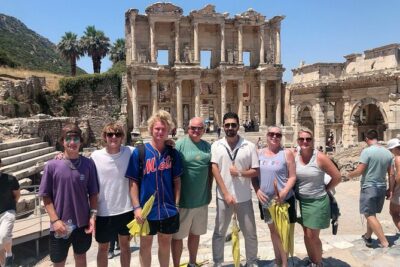
Ephesus Small Group – Semi Private Shore Excursion
Read our review →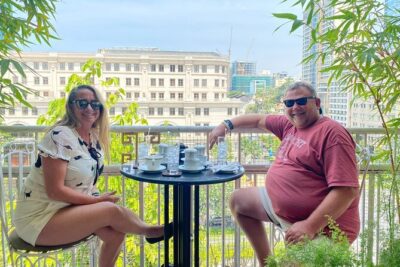
Best of Private Ho Chi Minh City Shore Excursion from Cruise Port
Read our review →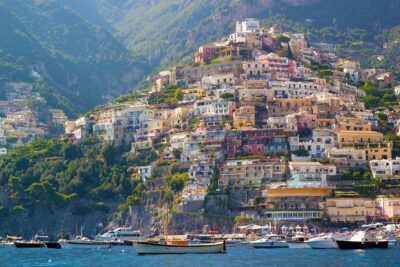
Private Tour to Sorrento, Positano, and Amalfi
Read our review →Browse the lists this tour appears in