
REVIEW · GERMANY SHORE EXCURSIONS
Rostock: Warnemünde and Rostock Half-Day Shore Trip
Warnemünde’s painted fishing boats, old canal, and seaside streets make a fine opening to this shore trip, but the real treat is reaching Rostock by local train and tram. You get two very different places in one morning: a compact port town and a medieval Hanseatic city.
I like two things especially. First, the public transportation gives you a practical taste of local life instead of keeping you inside a tour bus. Second, guides such as Cornelia, Tobias, Yvonne, and Anne bring strong local knowledge, including stories about East Germany and the region’s past. The main drawback is the amount of walking, often over cobblestones, with limited time for shopping or a proper meal.
Key points at a glance
- Two towns in five hours: See Warnemünde’s harbor and Rostock’s medieval center in one well-planned outing.
- Local transportation included: Ride the commuter train and tram with your guide, with tickets covered in the price.
- St. Mary’s Church is the centerpiece: Look inside the church and see its famous astronomical clock.
- A small-group feel: The maximum group size is 20, and many departures have been much smaller.
- Strong guide service: Cornelia, Tobias, Yvonne, Anne, Yvonne, and others have been praised for clear English, local stories, and careful organization.
- Plan for serious walking: Comfortable shoes are essential, and the tour is not suitable for wheelchair users.
Two northern German towns in one morning
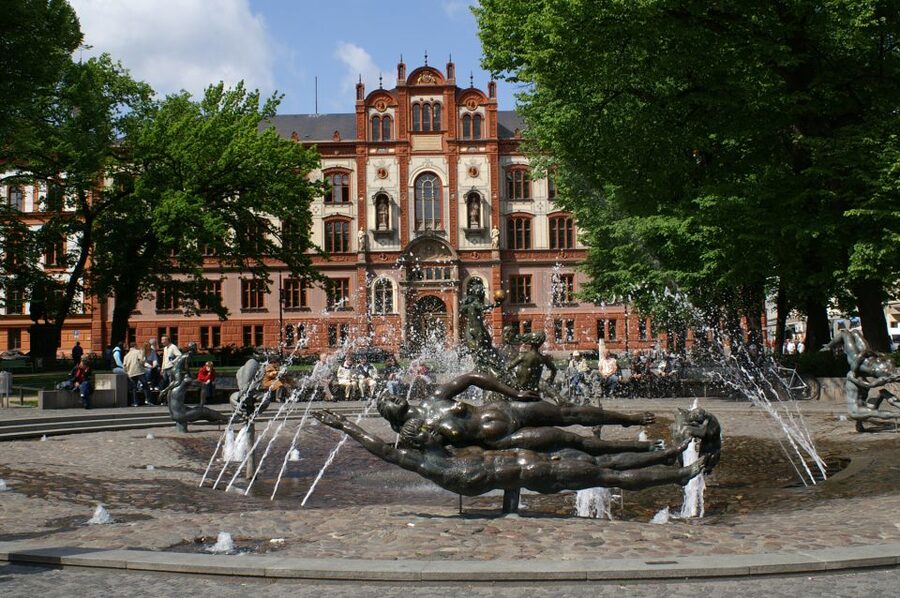
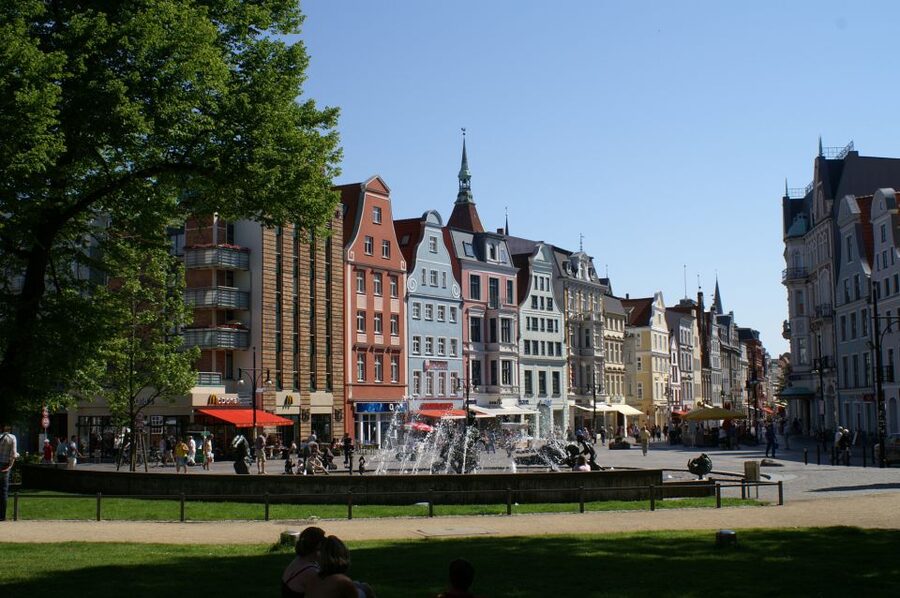
This shore trip works because Warnemünde and Rostock offer different kinds of sightseeing. Warnemünde is a former fishing village at the coast, with a relaxed harbor atmosphere and old houses. Rostock is larger and more urban, with market squares, churches, a university, and traces of its medieval town walls.
You meet your English-speaking guide at the cruise ship berth in Warnemünde. The guide carries a sign with the tour name and meets you at your ship’s actual berth, rather than relying only on a map marker. That detail matters in a port, where the walking distance from the ship to town can vary.
The group can be as large as 20 people, though many past departures have been smaller. Groups of around 9 or 10 have been particularly comfortable, since you can hear the guide and ask questions without turning every stop into a production.
The tour lasts five hours. It includes the guide, public train and tram tickets, pickup and return to the cruise port, and entry to St. Mary’s Church. Food and drinks are not included, so you need to budget for your own snack or save your appetite for after the tour.
At $81 per person, the price is reasonable for a port-day outing if you want help with transportation and local context. You are not simply paying for admission to a few sights. You are also paying for someone to organize the train and tram connections, keep the group together, interpret what you see, and get you back to the ship terminal. If you prefer to explore at your own pace, the price may feel less attractive.
More half-day excursions in Germany:
- Flam: The Wonders of Flam Guided Half-Day Shore Excursion
★ 4.8 · 668 reviews - Skagway Shore Excursion: Half-Day Tour to the Yukon Border and Suspension Bridge
★ 5.0 · 543 reviews - St Maarten Shore Excursion: Orient and Maho Beach Half-Day Tour
★ 4.5 · 486 reviews
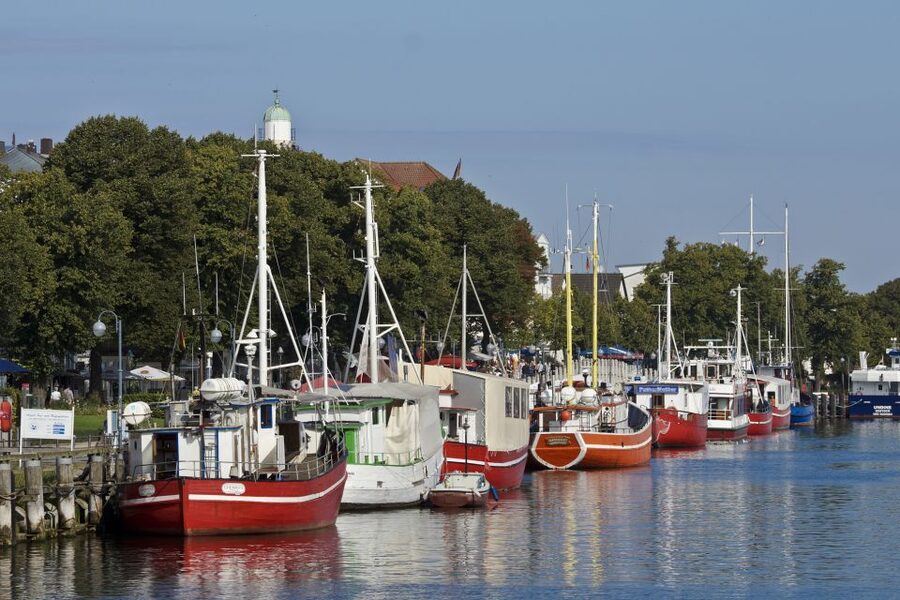
Warnemünde’s Old Stream and fishing boats
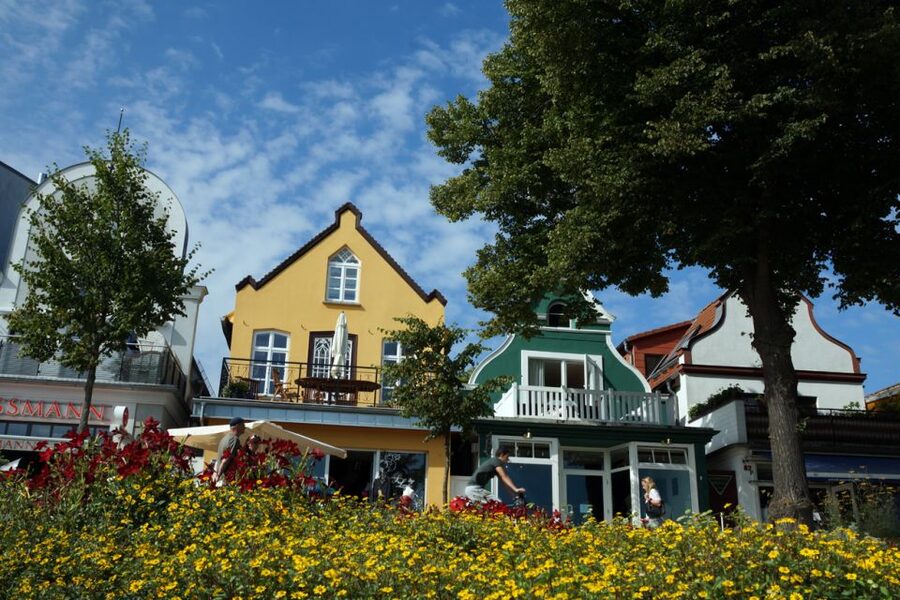
The first hour focuses on Warnemünde. The walk introduces you to the town’s old center, where 18th- and 19th-century houses have gabled roofs, half-timbered façades, and decorated doors.
The most appealing part is the Old Stream canal. Brightly painted fishing boats line the water, with cafés and small shops close by. It is a pleasant place to get your bearings, and it feels more personal than a standard port terminal or modern resort strip.
Your guide explains how Warnemünde developed from a fishing settlement into a seaside resort. The walking route gives you a short introduction rather than a full day at the beach or a long shopping session. That distinction is important. You see the character of the town, but the schedule does not leave much time to browse independently before heading to Rostock.
You may want to return to Warnemünde after the formal tour ends. The town is well suited to a slower wander, a piece of cake, or a fish sandwich. Those extras are not part of the package, but the tour’s early introduction helps you decide where to spend any remaining port time.
The route includes cobblestones and regular walking. The scenery is easy to enjoy, but uneven surfaces can make the hour more tiring than the distance suggests. Wear shoes with good support, and do not bring a large bag or luggage.
Riding the commuter train and tram
The trip to Rostock takes about 30 minutes by public transportation. You ride a commuter train and a tram rather than sitting in a private vehicle.
That choice is one of the tour’s best features. You get a look at how the two towns connect, and you do not have to work out the ticketing or transfers on your own. The guide handles the practical details and keeps an eye on the group when boarding and changing vehicles.
The train announcements may be in German only, so having a guide is useful even if you are comfortable with independent sightseeing. Several guides have been praised for timing the connections well and making sure nobody gets separated. That organizational work is easy to overlook until you are standing on a platform with a ship departure time in the back of your mind.
The ride also breaks up the walking. It does not turn the excursion into a low-effort tour, but it gives your feet a short rest and adds a more everyday side of northern Germany.
Because public transit is involved, you should stay close to the guide and follow instructions at stations. The group must move according to train and tram schedules, which means the outing has less flexibility than a private walking tour.
Rostock’s medieval center and market squares
Rostock is the larger half of the experience. It was founded in the 1200s and grew as a Hanseatic trading city and university town. The guided walk takes you through central streets and market squares, with stops at several major landmarks.
The city’s past is not presented only as a list of dates. Guides have also discussed daily life and the changes brought by East Germany, drawing on personal experience in some cases. One guide, Daniel, was born in Ireland and had lived in Germany for many years. Others, including guides who grew up in East Germany, have added useful first-hand context about the region’s recent past.
You may see the town hall, the university, sections of the medieval town wall, and the former Monastery of the Holy Cross. The mix gives you a sense of Rostock as both an old trading center and a working university city.
The guided portion in Rostock lasts about an hour and a half. That is enough time for a useful orientation, but not enough to inspect every building at length. A few stops may feel brisk, especially if you want photographs from the best angle. The guide has to balance explanations, walking speed, public-transit timing, and the final return to port.
The city center is a good place to ask questions. If you are interested in architecture, religion, or life in the former East Germany, you will get more from the visit than someone looking only for shopping time.
Same port call, a different plan:
- All-in-One Berlin Shore Excursion from Warnemunde
★ 4.5 · 293 reviews - Best Berlin Shore Excursion from Warnemunde or Rostock Port
★ 4.8 · 200 reviews - Warnemünde: Guided Walking Tour
★ 4.3 · 102 reviews - Deluxe Berlin: Hassle-Free Shore Tour from Warnemunde Cruise Port
★ 4.5 · 82 reviews
Inside St. Mary’s Church and the astronomical clock
St. Mary’s Church is the main interior visit. Admission is included, and the church gives you a welcome change from the open streets and traffic of the city center.
The astronomical clock is the star attraction. It is not just a decorative clock face. Its movement and calendar make it a practical lesson in medieval craftsmanship and religious timekeeping. Your guide explains what you are looking at, which helps you appreciate the mechanism rather than treating it as a quick photo stop.
Timing matters here. Guides have arranged the walk so the group can witness the clock’s operation, an especially useful detail if this is your first visit. The exact viewing experience depends on the day’s schedule, but the guide’s timing is part of the value of the tour.
The church itself is also worth seeing beyond the clock. It provides a strong sense of Rostock’s importance during the medieval period and gives the historical stories a physical setting. Janine specifically found the church explanations especially effective, and that matches the way this stop fits into the rest of the route.
If churches and old civic buildings do not interest you, this may be the least exciting portion. For most first-time visitors, though, St. Mary’s is the place where Rostock’s age becomes easiest to understand.
One hour of free time in Rostock
After the guided sightseeing, you get about an hour on your own in central Rostock. This is your chance to browse shops, find a snack, or revisit a square that caught your attention.
One hour is useful, but it is not generous. You can look around and eat something simple, but you probably will not manage a relaxed meal, serious shopping, and extra sightseeing. Some people would prefer more free time here, especially after the guide-led walking.
I suggest deciding in advance what matters most. If you want food, buy it early rather than spending the entire hour searching. If you want shops, stay near the central square and do not wander far. The guide should tell you where and when to regroup, and you need to be back on time for the return journey.
This free period is also a good reason to bring a small amount of local currency or a payment card, though the tour does not specify which businesses you will visit. Food and drinks are your responsibility.
The return trip to Warnemünde
The return by public transportation takes about 30 minutes. Your guide accompanies the group back toward the cruise port and helps manage the final train and tram movements.
The total schedule is carefully packed. Warnemünde takes about an hour, the journey to Rostock about 30 minutes, the Rostock guided walk about an hour and a half, the church visit about 30 minutes, free time about an hour, and the return trip another 30 minutes.
That leaves little room for delays. The good news is that the guides have built the outing around public-transit timing and have repeatedly been praised for keeping groups together. The practical warning is simple: do not assume you can extend your free time or make a separate stop without checking with the guide.
Once back at the port, you can consider spending additional time in Warnemünde if your ship schedule allows. The earlier harbor walk makes that easy. You may want a quieter stroll along the Old Stream, a café stop, or a fish sandwich after the more structured part of the day.
What the walking is really like
The tour description says participants should be able to walk for 15 to 20 minutes at a time. In practice, you should think of this as a walking tour with public-transport breaks, not a sightseeing ride with occasional short walks.
You may cover several miles over the five hours. Much of the route is on cobblestone streets, and there are few chances to sit for long stretches. Several guides have adjusted their pace for older participants, and one guide was praised for taking special care of an elderly parent in the group. Still, the route cannot be treated as fully accessible.
This tour is not suitable for wheelchair users. The information also advises against bringing luggage or large bags. A small day bag is the practical choice, provided it does not slow you down on public transportation.
Comfortable shoes matter more than stylish shoes here. I would also carry water, since food and drinks are not included and the day has no guaranteed coffee or restroom break built into the schedule. One past participant felt a planned stop halfway through would have helped, so do not count on a formal pause.
Guides, group size, and the style of commentary
The guide can shape this experience more than any single building. The strongest guide reports describe clear English, good pacing, patience, and a real command of local history.
Cornelia has been praised for helping groups use the train and tram like locals. Tobias has been singled out for careful preparation, excellent English, and strong timing. Yvonne has been described as personable and attentive, while Anne has been praised for clear explanations at St. Mary’s Church and for looking after the whole group.
The guide may also use old photographs to show how places looked in earlier years. That can make the East German period and the changes in Rostock easier to understand than a standard date-filled lecture.
The style is historical and thorough. That suits you if you like context and want to understand why the towns look as they do. It may feel slow or overly detailed if you mainly want free time, shopping, or a short photo walk.
The maximum group size of 20 is manageable, though smaller groups are better for hearing every explanation. If you are visiting with your own party, the tour can also remove the stress of coordinating transportation for everyone.
Is $81 a fair price?
At $81, this is not the cheapest possible way to see Warnemünde and Rostock. You could potentially use public transportation independently and walk through the centers without a guide.
The price becomes easier to justify if you value three things: local interpretation, reliable transit connections, and a return to the cruise port without having to solve the route yourself. St. Mary’s Church entry and public-transport tickets are included, which adds practical value.
The tour also covers two towns in five hours. A private taxi or custom excursion could cost much more, while a large ship-sponsored group may offer less personal attention. The small-group limit and direct pickup at the ship make this a useful middle option.
The tradeoff is freedom. You have only about one hour to explore independently in Rostock, and you do not control the walking speed or stop lengths. If your priority is a long café lunch or independent shopping, the price will buy more structure than you need.
Who should book this shore trip?
I would choose this tour if you are visiting the area for one port day and want an efficient first look at both towns. It is especially good for first-time visitors who want historical context, an English-speaking guide, and help with German public transportation.
It also suits people who enjoy old churches, medieval city centers, local stories, and practical sightseeing. The East German background shared by some guides adds an extra layer that you will not get from simply walking past the buildings.
I would hesitate if you have limited mobility, dislike cobblestones, need frequent seated breaks, or want a completely unplanned day. Families with young children may also find the historical explanations long, depending on the child’s interest.
The cancellation policy allows a full refund when you cancel at least 24 hours ahead, and you can reserve now and pay later. Those terms help if your cruise plans are still shifting, but the walking demands should be your first consideration.
Should you book it?
Book it if you want two towns, one guide, and organized public transportation in a single port visit. The route gives you Warnemünde’s harbor character, Rostock’s medieval center, St. Mary’s astronomical clock, and an hour to explore on your own.
Skip it if you mainly want a beach day, a long meal, or complete control of your schedule. For fit walkers who prefer history and local transport to a large coach excursion, $81 is a fair price for a well-planned introduction to this corner of northern Germany.
FAQ
Where does the tour begin?
The guide meets you at your cruise ship berth at Am Passagierkai 6 in Warnemünde. Look for a guide holding a sign with the tour name.
How long does the experience last?
The tour lasts five hours, including the guided walks, public-transit rides, church visit, free time, and return to the port.
Is the tour conducted in English?
Yes. The live guide speaks English, and no other languages are offered.
Are train and tram tickets included?
Yes. Tickets for the public train and tram are included in the tour price.
Is food included?
No. Food and drinks are not included. You have about one hour of free time in Rostock to find a snack or drink.
How much walking is involved?
This is a walking tour with public-transit breaks. You should be able to walk for 15 to 20 minutes at a time, and much of the route may be on cobblestone streets.
Is the tour suitable for wheelchair users?
No. The experience is not suitable for wheelchair users.
What is the maximum group size?
The maximum group size is 20 participants, though some departures have been smaller.
Newly added around Germany
- From Kiel: All-in-One Hamburg Shore Excursion★ 4.5 · 2 reviews
- All-in-One Hamburg Shore Excursion from the port of Kiel★ 4.5 · 21 reviews
- All-in-One: Beautiful Lübeck: Shore Excursion from Kiel Port★ 4.5 · 50 reviews
- Hamburg Shore Excursion: Private Berlin Day Trip★ 5.0 · 6 reviews
- Deluxe Berlin Tour from Warnemunde or Rostock Cruise Port★ 4.5 · 11 reviews
- Warnemuende Shore Excursion: Private Berlin Tour★ 4.5 · 27 reviews
- Berlin on Your Own – Deluxe Round Trip from Warnemünde Port★ 4.5 · 5 reviews
- Private All-in-One Berlin Shore Excursion from Warnemünde Port★ 5.0 · 35 reviews
Germany Shore Excursions, compared.

All-in-One Berlin Shore Excursion from Warnemunde
Read our review →
Best Berlin Shore Excursion from Warnemunde or Rostock Port
Read our review →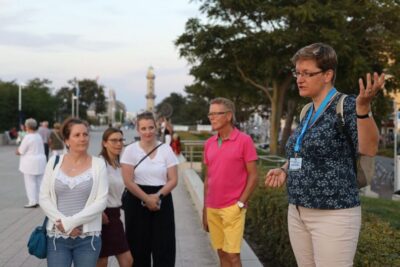

Deluxe Berlin: Hassle-Free Shore Tour from Warnemunde Cruise Port
Read our review →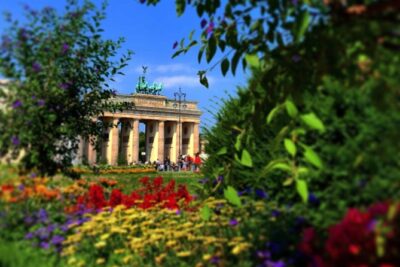
Berlin & Sachsenhausen Concentration Camp Tour from Warnemünde and Rostock Port
Read our review →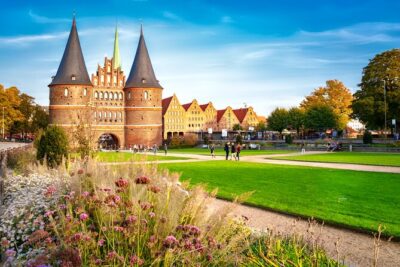
All-in-One: Beautiful Lübeck: Shore Excursion from Kiel Port
Read our review →
Explore Berlin Shore Excursion: Top Attractions Private Tour from Warnemuende
Read our review →
Berlin and Sachsenhausen: Shore Trip from Warnemünde Port
Read our review →Browse the lists this tour appears in